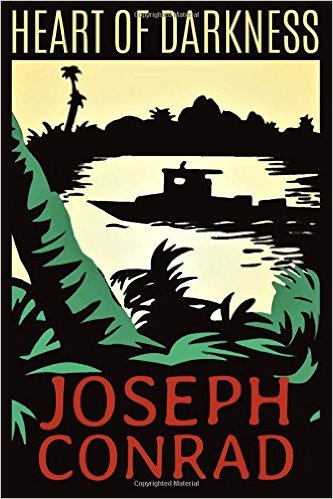
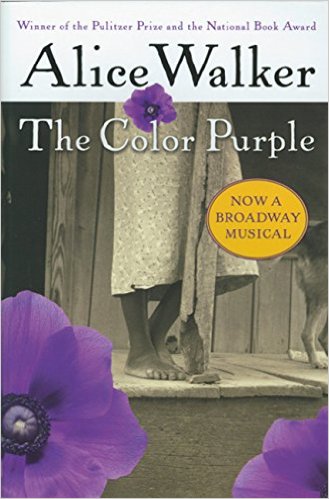
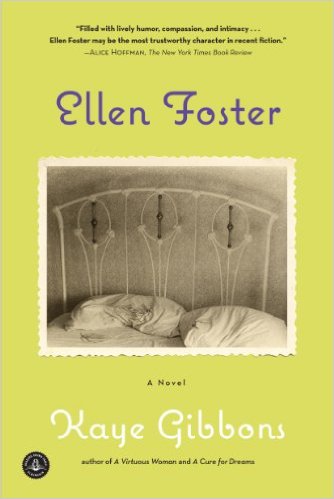
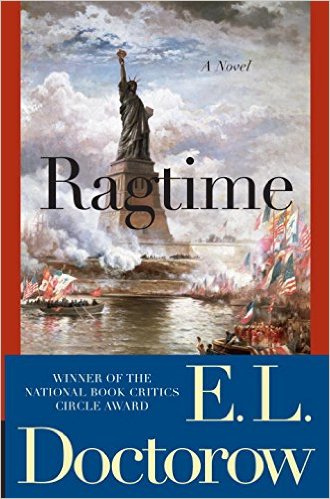
Before I started my tour of the "best books" I had no idea that
the word NIGGER would pop up as often as it does. Most of my life had been spent
in SciFi - where race is simply not an issue, or in Science books of various
types where race is only discussed in relation to genetics.
So I was a shocked to find how often it was used in the books
that many considered "great". Of course, I expected to encounter the word in
some books - Mark Twain used it as it was commonly used at the time; before it
developed it's current pejorative connotations. To his characters it was just
the word that was used and nothing more. But in other books, the word is meant
to have all the pejorative connotations it carries and the author uses it for
the purpose of indicating the racist nature of the characters. Since racism is a
common driving element in many novels (and in human history), I guess I should
not have been so surprised.
So I've decided to keep track of who used it and in what
context. This page is the result....
In addition, once I started keeping track of the word nigger, I learned that
this was not the only derogatory term for people of African descent. This page
also keeps track of the following words:
Nigger - A common English and American derogatory term.
Kaffir, Kafir, Caffer - A common South African deragoatory term.
Caffre - An older English term.
One thing that has come to mind as I discovered and created this
list... what the people who would ban all books using this term would do with
some of these. It seems unrealistic to try and deny a racist past (and present).
You can't educate people by banning ideas - stupid as those ideas can be.
Pretending something never happened doesn't keep it from happening in the
future.
Nigger: The Strange Career of a Troublesome Word by Kennedy, Randall
Number of occurrences: 5000
This is a great book to read before diving into the controversy about the word nigger and the usage of it in modern America. This book explores every aspect and reaction to the word. He explores how it has been used in legal issues (the fighting words rules), and how that has evolved over time - also, what it would mean if one interpretation became prevalent over another. He looks at the usage in various cultural aspects - literature, music, film, and how people have reacted. He talks about how people want to deal with the word from those who are willing to tolerate all uses to those who would ban every use without regard to meaning (ex. Huck Finn is an anti-racism novel - but people think it is racist because of the use of nigger constantly.) He discusses racial privilege where in one race is allowed the use of a word that other races are not.
Basically, if you are going to have an opinion on this matter, you should read this book to be fully informed of ALL the issues from ALL sides. Nothing is left unexamined. This book is a great service to race relations and deserves to be read by anyone who wants to be informed in this matter.
Since this is a book entirely devoted to the topic of the word nigger - a count is unnecessary. The number above was placed there simply to make sure this reference stays at the top of the list. I highly recommend reading this.
This book is about the history of on family that starts in Africa where the prime ancestor is captured and made into a slave. The whole novel is about the slave experience in America - the life, the work, the death, the family, the treatment. I don't think this story could be told without using the word as the slaves themselves heard it used.
Not documented - and, honestly, probably too many to transcribe.
The word nigger is used throughout Hick Finn. It has no negative connotation - well - not in and of itself. It was the common word for the black race at the time. Any negative connotation comes from the attachment of stereotypes to the race and not just to the word. The following is typical...
There are too many examples to list them all, but here is a typical paragraph from the book:
"As soon as Tom was back we cut along the path, around the garden fence, and by and by fetched up on the steep top of the hill the other side of the house. Tom said he slipped Jim's hat off of his head and hung it on a limb right over him, and Jim stirred a little, but he didn't wake. Afterward Jim said the witches bewitched him and put him in a trance, and rode him all over the State, and then set him under the trees again, and hung his hat on a limb to show who done it. And next time Jim told it he said they rode him down to New Orleans; and, after that, every time he told it he spread it more and more, till by and by he said they rode him all over the world, and tired him most to death, and his back was all over saddle-boils. Jim was monstrous proud about it, and he got so he wouldn't hardly notice the other niggers.Niggers would come miles to hear Jim tell about it, and he was more looked up to than any nigger in that country. Strange niggers would stand with their mouths open and look him all over, same as if he was a wonder. Niggers is always talking about witches in the dark by the kitchen fire; but whenever one was talking and letting on to know all about such things, Jim would happen in and say, "Hm! What you know 'bout witches?" and that nigger was corked up and had to take a back seat. Jim always kept that five-center piece round his neck with a string, and said it was a charm the devil give to him with his own hands, and told him he could cure anybody with it and fetch witches whenever he wanted to just by saying something to it; but he never told what it was he said to it. Niggers would come from all around there and give Jim anything they had, just for a sight of that fivecenter piece; but they wouldn't touch it, because the devil had had his hands on it. Jim was most ruined for a servant, because he got stuck up on account of having seen the devil and been rode by witches. "
The racism in this book is overwhelming. And it doesn't matter who you are talking about, there are only 2 kinds of people - whites and the others - niggers, eight-balls, shines, hebes, kikes, mics, etc. And women are either virgins or whores.. and a possible lesbian should be killed outright. The characters in this book are authentic, and despicable. If you are not disgusted in parts by this, then there is something seriously wrong with you. That said, this book is a fantastically written look at a slice of American history that we should not deny or try to cover up. It is good to examine our ugliness so we don't repeat it - as we inevitably do (Only now it is Muslims and Hispanics)
Towards the end, Studs begins to wonder why he has never been happy, and why his life has never worked out, but he still can't let go of the hate that defined his whole life.
Chicago was nothing like it used to be, when over around St. Ignatius Church and back of the yards where white men's neighborhoods, and Prairie Avenue was the tony street where all the swells lived, lie Fields, who had a mansion at Nineteenth and Prairie, and Pullman at Eighteenth and Clumet, and Fairbanks and Potter Palmer and the niggers and the whores had not crossed around Twenty-second Street,
When he'd bought this building, Wabash Avenue had been a nice, decent, respectable street for self-respecting men to live with his family. But now, well, the niggers and kikes were getting in, and they were dirty, and you didn't know but what, even in broad daylight, some nigger moron might be attacking his girls. He'd have to get them away from the eight balls and tinhorn kikes.
Reilly had been a poor teamster, and he had gotten up before dawn on mornings whe the cold would almost make icicles on your fingers in not time, and she had gotten up and got his breakfast, and fed th horses, and both of them had worked like niggers in those days back of the yards before their children were born.
"Sometimes he will get the livin' hell ounded out of him," Dan Donoghue said.
"Yeah," said Studs.
"He deserves all he gets, thought the little degenerate," said Dan.
"He should have been a nigger or a hebe instead of Irish, " said O'Brien. Johnny added that Hennessey had even been caught in a basement with his half-wit sister.
"You got to put pepper on the tails of the eight-balls. They're lazy as you make 'em. A Jew and a nigger. Never trust 'em farther than you can see 'em. But some niggers are all right. These southern ones that know their place are only lazy. These northern bucks are dangerous. They are getting to spry here in Chicago, and one of these days we're gonna have a race riot, and then all the Irish from back of the yards will go into the black belt, and there'll be a lot of niggers strung up on lampposts with their gizzards cut out ... My kid here wanted to wrestle in that tournament over at Carter Playground last winter, and I'da let him, but he'd of had to wrestle with niggers. So I made him stay out. You got to keep these smokes in their place and lot let 'em get gay."
She said she knew Lucy needed a sort of roughneck to carry her books when she went to high school, because Lucy was going to St. Elizabeth's, and it was a nigger neighborhood, and he could protect her, and walk home with her through the nigger neighborhood.
"What beach'll we go to?" asked Studs.
"Fify-first Street," said Kenny.
"Ain't there a lot of Jews there?" asked Studs.
"Where ain't there kikes? They're all over. You watch. First it's the hebes, and then it's the niggers that's gonna overrun the south side," said Kenny.
"And then where ull a white man go to? Asked Suds.
"He'll have to go to Africa or .. Jew-rusalem," said Kenny.
Kenny san Solomon Levi with all the sheeny motions, and it was funny, because Kenny was funny, all right, and could always make a guy laugh.
Now Lady how do you expect me to ever to get finished, and Lady if I go runnin' for Turkish Trophies for every on that wants 'em... Well, sir! Ha! Ha! She shuts up like a clam. An then I always gotta deal with these nigger maids dat keep tellin' for you to wipe yer feet. I said, give uh nigger an inch, and dey want a hull mile.
A good looking Negress passed.
"Barney, how'd you like that?" Studs asked.
"Never mind, punk! ... And listen, the niggers ain't as bad as the Irish," said Barney.
"Where's there a difference? Asked Percentage.
"Well, if you ask me, Barney is a combination of eight ball, mick and shonicker," said McArdle
The it would be his turn to laugh. She was so low that she wouldn't even bar a cockroach, a nigger, or a flea. She was nearer the ground than a snake.
If the guys had come, they could have ganged the dinges. niggers didn't have any right in a white man's park, the sooner they were taught that they didn't, the better off they'd be. He looked around; no chickens (girls).
Andy Le Gare tried to tell everyone that in close fighting they should kick the niggers in the shins. Tommy Doyle said the niggers were never going to forget the month of July, 1919. Studs said they ought to hang every nigger in the city to the telephone poles, and let them swing there in the breeze. Benny Tate said the every white man killed in the riots, ten black apes ought to be massacred. Red said that the niggers had caught Clacky Merton, from Sixty-first Street, down in the black belt, and slashed his throat from ear to ear, and plenty of niggers had to be slashed to pay for the death of Clacky. They lamented that Clacky was a victim of the riots. Fat Malloy started telling how the Regan Colts were marching into the black belt and knocking off niggers. Andy said well the Fifty-eight Street guys were going to do the same thing.
Young Horn Buckford suddenly appeared and breathlessly said that there was a gang of nigger on Wabash Avenue. ... They sang, shouted, yelled defiance at the houses, and threw bricks into the windows of houses where they thought niggers lived. They were joined by other groups, men and kids. The streets were like avenues of the dead. They only caught a ten-year old Negro boy. They took his clothes off, and burned them. They burned his tail with lighted matches, made him step on lighted matches, urinated on him, and sent him running off naked with a couple of slaps in the face.
Back around the corner at six o'clock; Suds and Red talked of how they would get a bigger gang together after supper, and go north of Garfield Boulevard until they found niggers. They described what they would do to them. They walked down to el station and bought a paper. The deadlines said that with the militia out, peace and order were being restored in the riot-stricken black belt. They cursed, and said they would get the niggers in spite of even the United States Army.
They talked about what the boys from Fifty-eight Street had done in the race riots last month, and she acted horrified, but Studs guessed it was only put on. They told each other that the niggers needed a couple more riots.
None of the guys were around. He noticed, too, that no niggers were in sight. He spied a lonesome-looking chicken sitting up towards the front. Maybe she wanted to be picked up. He sat near her, and kept giving her the eye. She was pretty, a baby-faced blond. She sat impassive. He could just go up and talk to her, say let's take a walk, and get her over to the wooded island. And he'd go back to the poolroom, and tell the lads what a lay he had, describing how it all went off.
"But, father, this neighborhood is deteriorating all the time. The best people in it are moving over to Hyde Park or out in South Shore. Soon I'll be ashamed to admit I live around here."
"Young lady, you're wrong. The niggers will be run raggedy if the ever try to get past Wabash Avenue. This is a good, decent neighborhood full of respectable people, and it will always be so.
"I just see you boys shoveling out dimes like you were John D.," Phillip sharply retorted.
"Studs, it's nigger date night tonight. It has a date," Tommy Doyle shouted, passing along.
"It wouldn't do a lot of you guys any harm if you invested a dime in a second-hand joke book," Phillip said, walking off.
For Abraham Clarkson had been bombed before, and he had stated defiantly that he would move from his home to another one only in a casket. It was nerve for the nigger to say that and go on ruining a white man's neighborhood, living amongst people who didn't want him.
"I'm turning in and getting some sleep."
He went towards home. At the corner of Fifty-eight and Michigan, he saw a nigger and his black girl ahead, walking arm in arm. He thought of how in this new spring time, the new Studs Lonigan would be walking about in the evening with her on his arm. Suddenly, he sneered, thinking that the goddamn niggers had their guts, invading a white man's neighborhood, and sooner or later they'd have to be run out.
... commenting on a black singer dressed in high-slit gown...
Slug whispered that he'd take a baby like that on, even if her skin was purple. Red Kelly countered that he personally had too much self-respect to go monkeying around with low niggers. Barney Keefs sneered that Red was BS, and that it was always the same, a guy wanted a woman, and everything else was crap.
Their faces went tight with hostility every time a white girl went by with a Negro. They saw one beautiful blond girl with a coal black, sweating nigger, and they said nothing, only because there were too many shines in the place. Slug said what the hell he was going to dance too. He left, and soon he was socking with a black girl. .... He thought the jazz would drive him nuts; the thick-lipped singing and shouts of niggers grated until he was ready to jump. And the place was like the stockyards; he thought they ought to use a little perfume anyway. He called over a nigger waiter, paid his share of the bill and got up while the dance was still going hot. As he walked towards the exit, he noticed the snottyily suspicious glances he got from niggers, and Christ, how he'd have loved to have gotten a couple of them out on Fifty-eight Street. At the door, there were for dicks, their faces drawn, waiting, as if they were expecting trouble. As he left, two white girls entered, laughing, with loudly-dressed buck niggers. The doorman told him to come again. Yes, he thought, he'd like to come with a machine gun.
"Crime or no crime, those kike real-estate bastards are getting in, and what for? I'll tell you: to sell to niggers, that's what for."
"That will be a crime. We ought to do something about it."
"I suppose now she's settled down."
"Yes, she's working downtown," Studs said.
"My Helen was saying she saw the O'Brien boy downtown, and he was saying the niggers were getting in there. Isn't it a shame?"
"There's some on Wabash Avenue."
"You know we sold our building and moved over to Michigan. There's niggers on Wabash now," he said, trying to make conversation.
"Yes, isn't is awful .. those niggers."
"I suppose there'll have to be more race riots to put then where they belong," he said.
"That would be just perfectly horrible .. but exciting."
"You know, boys, the goddamn shines are getting to frisky coming around here," Red said.
"You Irish oughtn't to kick. You and the niggers can both look up to a snake," Keefe said.
"I came around the boathouse last Saturday, and it stunk with niggers. You know, it's so bad, that a decent girl can't walk alone here anymore for fear a nigger might rape her. They ruin the park. When they come over here, you need a gas-mask if you want to stick around... Why you can tell they are inferior to the white race by the clothes they wear. Those goddamn loud clothes, wearing pearls with their bell bottoms, purple suits, pink shirts. They're worse than the Polacks. You know, you can tell and inferior race by the way they dress. The Polacks and Dagoes, the niggers are the same, only the niggers are the lowest. That's why we ought to get the boys together some night and clean every nigger out of the park. They're all yellow and if we do it once, they won't come back.
Doyle said that it always turned out the same way. If you give a nigger an inch, he always took a mile.
Slug said he had nothing against him, and liked the fellow who took nobody's sass. Red said he couldn't understand and Irishman being a nigger-lover. Studs supposed that the guy would let a nigger jazz his sister.
"That's worse than having a nigger. Think of it, a girl comes from a self-respecting family, with a decent old man and old lady. She had a decent home, a chance for and education, and opportunity to meet decent fellows, and to become a fine, decent girl. And what does she do, but become worse than the hustler of a nigger pimp? Why girls like that ought to be made to live with pigs," Red proclaimed.
"That jew moocher," sneered Studs.
"Yeah," said Slug.
"Say, he's the kind, his kind, that sold out Wabash Avenue to the niggers. If it wasn't for the Jews, this would be a better neighborhood than it is. But anyway, with the new church, it will pick up, " said Red.
"I like Father Shannon," Les said, while Red frowned at some passing niggers.
"He seems to be working wonders with you hoodlums," Red said.
"Yes, but not with you hoodlums. The mission is for sinners and louses like you, guys, not me. I'm holy," Barney said; Red frowned as two more niggers passed the corner.
"If we had a pastor like Father Shannon, instead of Gilly, that mightn't have happened. He wouldn't be the kind to build a beautiful new church, and then let his parish go to the dogs. He'd have seen to it that the good parishioners stayed, and that the niggers were kept out. He'd have organized things like vigilance committees to prevent it," Red said.
"That's what my old man has been saying," Studs said.
"It was the Jews who did it. And he would have settled those profiteering shonnickers. It's a lousy thing, if you ask me, Jews ruining a neighborhood just to make money like Judas did. It's all greed all over again, the greed of the Jews," Kelly said.
"For Christ sake, Fat, where you been?" asked Studs.
"Hell, I moved out of this nigger neighborhood," Fat Malloy answered.
"We're all getting old, Mary; it won't be long before we're under the sod."
"Patrick, don't talk like that, please."
"Goddamn those niggers!" Lonigan exploded.
"I guess it was the Jew real-estate dealers who did it," said Studs, believing he ought to say something.
Studs walked over to the window. He saw two nigger kids twisted together, wrestling in the street. He remembered how, coming home from St. Patrick's every night, they used to wrestle and rough-house like that...
"Well, I wish they'd come. OOOOh, I can't stand the sight or thought of this place and this neighborhood anymore. OOOH, to think of all those greasy dirty niggers around. Every time I pass them on the street I shudder," Fran said.
"Yeah, they look like apes, and, God, you can smell them a mile away," said Lonigan.
"Dad, they're coming in here, aren't they?" said Studs.
"Yeah, a shine offered the highest price for the building, so I let it go. But he paid, the black skunk."
"Well, they can have it, only I hate to see how this building and the neighborhood will look in about six more months," said Lonigan.
"Yeah, I guess the damn niggers are dirty," said Studs.
"I know it. Did you ever look out of the window if the elevated train when you go downtown and see what kind of places they live in. God Almighty, such dirt and filth," said Lonigan.
"Sometimes, I almost think that niggers haven't got a soul," said Mrs. Lonigan.
"All the old people are gone, huh?"
"Doyle, he still lives around here. Oh, one or two."
"They hang around?"
Sammy had to turn to sell a racing sheet to a nigger.
Studs walked towards Prairie Avenue. In the cigar store on the right-hand side of the elevated station, he saw a group of niggers hanging around, talking with a sweaty brown-looking, sporty bastard who leaned forwards on the counter. He saw pearly white teeth flash in a coal black smile.
niggers passed him on the sidewalk. They nearly all looked alike, as if they were the same person. The corner, their old corner, looked like Thirty-fifth and State. A gang of young niggers were gathering around the fireplug talking, kidding, laughing. He tried to frown. Suppose they should get snotty or try to mob him? He suddenly thought of himself fighting ten or twelve niggers, standing with his back to the wall, swinging, laying them down one after the other with a punch, as guys sometimes did in the movies.
He went into the drug store. There was a pretty, white girl at the cashier's desk. He walked over to the soda fountain to get a coke. But the niggers used the same glasses. His stomach almost turned as he thought of himself using the same glass as a nigger did. He bought a package of cigarettes, and stepped outside.
....
A handsome, light brown, well-built girl passed. Studs looked at her. So did the Negro lads on the corner. He wondered if she was a whore. He'd like to have her. He remembered how a couple of times he'd been to nigger can houses, but the girls he'd had had been too black and bony. One like that was nice, even if she was black.
He hoped to Jesus Christ she'd get fat as a pig, have ten kids, and a husband who'd kick the Christ out of her, does her, and blow out. He looked at the house, with lights behind shaded windows. niggers now lived in it, and the house was probably stinking because niggers always stunk, and it was dirty because niggers were dirty.
... Studs is walking in his old neighborhood...
A buck nigger came along. Studs took his hands out of his pockets and tried to look tough. The nigger passed, singing.
... Studs is walking in his old neighborhood...
He moved on past a row of apartment buildings. In his time, they'd looked new and modern, with lawns and trimmed bushes in front of them. Now they seemed old. The niggers, all over again, running down the neighborhood. ... He walked on. Niggers living in all these buildings, living their lives, jazzing, drinking, and having their kids, and flashing razors at each other.
... Studs is walking in his old neighborhood...
A street car passed. An old nigger in overalls walked wearily by him. He looked to his left at the new church, standing now huge and high. He remembered how the parish talked of it. And it was a goddamn beautiful church, and what was it for now - a handful of black bastards.
He turned and walked away. At Sixtieth and Calumet, he paused to watch two young nigger kids wrestling. Three classily-dressed young shines minced past him. He walked right along behind them.
The guy, whoever he was, who had left hijm like that, in the cold and snow, he was no pal. Hell, he wouldn't have done that even to a nigger or a dog, he whined to himself.
... some men discussing politics...
Thompson is dead politically, and he deserves it. He's a demagogue, and he goes campaigning down in the black belt, kissing nigger babies and playing up to the shines. Any man who does that ought to be run out of town on a rail. The jigs in Chicago are dynamite, and if they ever break loose, it's going to be hell to pay. And right now the dirty nigger-loving Reds are playing up to them to stir them up, and Thompson, kissing nigger babies, is playing right into their hands."
"Let the niggers just get tough. We'll hang them up on every telephone pole in the city, just the same as we did in 1919," Studs said.
"I agree with you Studs. We ought to give them the same kind of medicine they get in the South and not even let them sit next to a white man in a street car, let alone vote," Red said.
"I don't like niggers none, either," Muggay said.
"And my brother Joe who collects rents on her buildings on South Park, he can't hardly get a red cent out of the niggers living in it. Half the time he doesn't even try because what's the use?"
"As I was going to say, though, Bill, I'm sorry you missed Amos and Andy. You would have laughed yourself sick at them." Lonigan's belly rolled as he laughed. "They're so much like darkies. Not the fresh northern niggers, but the genuine real southern darkies, the good niggers. They got them down to a T, lazy, happy-go-lucky, strutting themselves out in titles and with long names and honors, just like in real life." Studs wished that his father would finish, so he could read the paper without distraction. "Amos and Andy got their taxicab now." He laughed again. "But it won't run. Andy elects himself president, and calls their cab The Fresh Air Taxicab Company of America. And Amos, just like a nigger, he wants to be a president."
"Nice supper, Marie," Phil said with false joviality to the plump colored maid, who, with a surly frown on her face, had commenced removing the supper dishes.
"Phil, I'll have to get rid of her. She's entirely to surly for a nigger maid," Loretta said in a low but exasperated voice....
"Yes, we'll have to economize. And Phil, dear, I'm going to watch Marie. I've been letting her do the buying and I'm sure she is stealing from me. You can never trust a nigger."
"Those damn Reds bellyaching and agitating in times like these when everybody ought to get right to it to help keep the ship afloat! And, Bill, I also heard the Reds were egging on the niggers in the black belt. That's sheer dynamite."
"We won't be able to come swimming here, though, this summer," he said, point at the low gray pavilion of rough-edged stone which housed the Jackson Park beach. "It's become the hunkies community center her now. I came here on day last summer, and I tell you I didn't think there were as many hunkies and polacks in the world as I saw here."
"Yes, isn't it too bad? And there was trouble here last summer with niggers trying to go swimming along here. Ugh. Think of it, going with niggers," she shuddered.
"Seventy-third Street beach is much better, but every year you see more noisy Jews there. Pretty soon there won't be a beach in Chicago left for a white man."
Studs laughed at the crazy bastard. A Bolshevik. He supposed the guy was a nigger lover, too. Well, let the Bolsheviks get tough. They'd be taken care of, just the same as the shines were during the race riots of '19.
...Studs sees a beautiful black woman walking down the street...
Should he follow her even if she was a nigger? He looked after her slender brown silken legs, and he was tempted to whistle, to get up and follow her. Hell, she might just be a whore, because he guessed most black girls were hustlers anyway. And even if she wasn't, a dark skinned baby ought to fall all over herself with joy if a white guy propositioned her. But kissing one of them. Ugh... He eagerly watched her disappear from sight, and he saw her naked in his mind. Jesus, he was pretty lousy getting so het up over a dark-skinned wench. And still, brother, with or black, she had it. But here he was engaged to a decent girl like Catherine, and wanting a nigger. Lousy...
... Studs sexual advances toward a married woman were soundly rejected...
That goddamn.... And wasn't he glad he hadn't tossed his dough away for a pig like that! She was lower than a nigger whore or pansy. Still, she was a neat trick. That dirty... There wasn't any word filthy enough to describe her.
"Say, you know what those dirty Reds are doing now? They're exciting the niggers down in the Black Belt, Telling them they're as good as white men and they can have with women. I tell you, Bill, Someday the American people have got to wake up and take things into their own hands."
... Reading a newspaper..
Police blame Reds for recent eviction riots in the Black Belt. Reds must be nigger-lover. Mayor says city finances in dangerous condition. That was bad, all right.
... as always, Studs is looking to blame all his life's troubles on other people...
Because the Jews hadn't been satisfied by themselves, but they sold their property to the niggers. Trickery, Jew trickery had ruined this neighborhood. And the trickery of the Jew bankers was causing the depression and ruining him.
He stood on the church steps looking at the drab row of three-story brick apartment houses across the street. Looked old, not worth much. Probably run down inside, too. nigger buildings now.
... still standing on the church steps....
He smiled at a neatly dressed Negro boy of about twelve who passed him singing, and he thought that, golly, the eight-balls sure could be happy. He stared while a slender, pretty mulatto girl wheeled a baby buggy along the sidewalk below him. nigger babies were cute little dicks. But they grew up into black dangerous buck niggers who flashed razors. He nodded, bewildered by his observation.
... now Studs is driving through his old neighborhood...
Turning north again, he saw by a sign in one of the windows that the bank of Abraham Clarkson was closed. Served Clarkson right because Clarkson was the shine who, in the old days, had refused to move from the neighborhood when no one had wanted a nigger in it, depressing real estate values and living among white people where he didn't belong. He wouldn't get out, even though his house kept getting bombed. Lonigan suddenly remembered reading in the paper that Clarkson had been indicted. Serve him right. A banker and a nigger.
There had been riots, started by the Reds, in the Black Belt when niggers had been evicted. But that poor family. Losing their home, four children , too. Poor fellow, must be out of work.
... Studs is wondering why h can't be happy... but he is still filled with hate...
Just an unhappy old man, and even these people, anarchistic Reds, communists, niggers, hunkies, foreigners, left-handed turkeys, even they seemed happier than he.
"With times so bad, and people so poor, this stuff is dynamite, especially with them getting the niggers in it. If the police allow these people to carry on like this, there might be a revolution."
He drove off. Thieving little bastards, stealing a man's spare tire right off the car! When they grew up, a man's life and property wouldn't be safe. What was Chicago coming to, what with the kids like the ones who snatched his tire, the Reds and the niggers? He shook his head sadly, thinking of how the shines had already ruined so much of the south side. Had it been so good to free the slaves? Of course, all men should be free, but a nigger was a nigger. You couldn't trust them and they didn't know their place as it was.
... close to the end of his own life, he starts thinking about happiness.. but still..
All these south-bound automobiles on Michigan. People in them going home. Where the men and women in all these automobiles happy? What did they have on their minds? For-rent signs in these fine buildings on Michigan. Property ruined by the niggers. And a closed bank at Thirty-ninth Street. God, how long could it all go on. And Bill? He had a feeling that Bill was dead. He didn't want to go home to the house where his done had died. Unthinkingly, he drove his car more slowly.
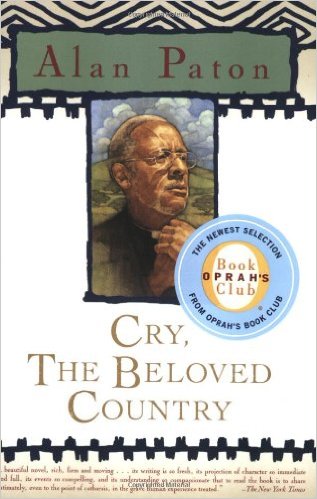
This book about slavery, written before the Civil War, could not have been written without the use of the word. Indeed, Ms. Stowe uses the word to show how the characters dehumanized the slaves they dealt with on a daily basis. She used the word to show the lack of respect that one race could have toward another.
The word is used by everyone - Master and Slave alike. It shows how, in some instances, the slave accepted their own dehumanization and passed this inflicted cruelty on to their own race.
One of the quintessential evil characters of all time was invented in this novel - Simon Legree - a slave trader and all around rotten human being. There are too many examples to list here, but the following are just a few:
Fixing his keen dark eyes on Legree, he simply said, pointing to the dead, 'You have got all you ever can of him. What shall I pay you for the body? I will take it away, and bury it decently.'
'I don't sell dead niggers,' said Legree, doggedly. 'You are welcome to bury him where and when you like.'
George saw, at once, the force of this defiance. There was not a white person on the place; and, in all southern courts, the testimony of colored blood is nothing. He felt, at that moment, as if he could have rent the heavens with his heart's indignant cry for justice; but in vain.
'After all, what a fuss, for a dead nigger!', said Legree.
'That he won't do,' said Cassy.
'Won't, --eh?'
'No, he won't,' said Cassy.
'I'd like to know why, Mistress,' said Legree, in the extreme of scorn.
'Because he's done right, and he knows it, and won't say he's done wrong.'
'Who a cuss cares what he knows? The nigger shall say what I please, or --'
'Or, you'll lose your bet on the cotton crop, by keeping him out of the field, just at this very press.'
But he will give up, – course, he will; don't I know what niggers is? He'll beg like a dog, this morning.'
The word is used frequently in the book, though how one could write this book without it is the question being begged by those who would censor the book on this account. It takes place before, during, and after the Civil War and everything is through the eyes of slaves. Pretty much in any dealing with "white folk" the term comes up. Hell, perhaps the term "white folk" should also be considered offensive when used in this way. In any case here are some samples..
- ..my niggers is men every one of em."
- "Aint no nigger men. Not if you scared, they ain't. But if you a man yourself, you'll want your niggers to be men too. I wouldn't have no nigger men round my wife.
The word appears more frequently in the latter half of the book due to the influence of Yankee's on the south. This is when the word is really introduced.
At one point Scarlett is highly offended by some white women who use the term to refer to her driver - whom she thinks of as part of her family. The driver is shocked as well.
An interesting take on the use of the word throughout.
Mary Flannery O'Conner wrote regional stories in the southern Gothic style. She was born (1925) in Savannah, Georgia, and was steeped in the culture of the south. As such, her usage of the word should not be a surprise.
.....At one point in the story "A Good Man is Hard to Find" the family on a car trip passes a black boy standing outside is shanty. He has no britches on....
"Oh look at the cute little pickaninny!", she said and pointed to a Negro child standing in the door of the shack. "Wouldn't that make a picture now?", she asked and they all turned and looked at the little Negro out of the back window. He waved.
asystem.pm.east.sgrops.com
"He didn't have any britches on," June Star said.
"He probably didn't have any," the grandmother explained. "Little niggers in the country don't have things like we do. If I could paint, I'd paint that picture," she said.
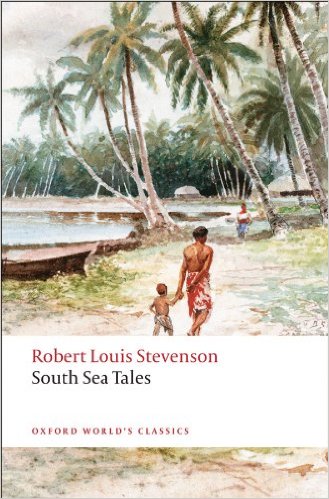
The sailors call the islanders niggers, and talk about the inevitability of their contact (and domination) by the white man. In one section there is a battle where a group of islanders are recruited to work on plantations - but once they get on board the ship, attack, and are slaughtered by a marksman in the rigging. I could have just included the whole section.. but the gist is obvious. There is no respect what-so-ever for black men from the characters in this book. (Also note the use of the work pickaninnies.. another old derogatory slang)
While I was busy arguing and persuading the woolly-headed cannibals to come and labor on the Queensland plantations
Otoo kept watch. And often and often his low voice warned me of suspicious actions and impending treachery. Sometimes
it was the quick shot from his rifle, knocking a nigger over, that was the first warning I received. And in my rush
to the boat his hand was always there to jerk me flying aboard.
I was just hailing for a boat when one of the woolly-heads began to scream. Holding on to the end of the canoe,
both he and that portion of the canoe were dragged under several times. Then he loosed his clutch and disappeared.
A shark had got him.
The three remaining niggers tried to climb out of the water upon the bottom of the canoe. I yelled and cursed and
struck the nearest with my fies, but it was no use.
...
I abandoned the canoe and started to swim toward the schooner, expecting to be picked up by the boat before I got there.
One of the niggers elected to come with me, and we swam along silently, side by side, now and again putting our
faces into the water and peering about for sharks.
He must have a certain grand carelessness of odds, a certain colossal self-satisfaction, and a racial egotism that
convinces him that one white is better than a thousand niggers every day of the week, and that on Sunday he is able to
clean out two thousand niggers.
His name on the passenger list does not matter, but his other name, Captain Malu, was a name for niggers to conjure
with, and to scare the naughty pickaninnies to righteousness from New Hanover to the New Hebrides.
"We haven't any show down here," was the skipper's complaint. "The government protects a nigger against a white
every time. You can't shoot first. You've got to give the nigger the first shot, or else the government calls it
murder and you go to Fiji. That's why there's so many drowning accidents."
"But is say, you know, I heard shot," Bertie said, in trembling eagerness, for the scented adventure, and adventure
that was happily over with.
The mate whirled upon him, snarling.
"It's a damned lie. There ain't been a shot fired. The nigger fell overboard."
"Besides," said Mr. Jacobs, "there's altogether too many accidental drownings anyway. It don't look right. It's
the fault of the government. A white man hasn't a chance to defend himself from the nigger."
"Yes, look at the Princess and that Yankee mate," the skipper took up the tale.
...
They were killed to the last man. .. A crowd of niggers came off from shore. First thing the mate knew, the boson
and the crew were killed in the first rush. The mate grabbed three cartridge belts and two Winchesters and skinned up to the
cross-trees. He was the sole survivor, and you can't blame him for getting mad. He pumped one rifle till it got so hot he
couldn't hold it, then he pumped the other. The deck was black with niggers. "
Bertie did not see the bottl go off; but the mate opportunely discharged a stick of real dynamite aft where it
would harm nobody, Bertie would have sworn in any admiralty court to a nigger blown to flinders.
...
All he knew was that the two men argued eloquently and at length as to whether the exploded nigger should be
reported as a case of dysentery or as an accidental drowning.
"It being that I'm a married man, Mr. Harriwell, I can't very well afford to remain on longer. Trouble is working
up as plain as the nose on your face. The niggers are going to break out, and there'll be another Hohono horror here."
"What's a Hohono horror?" Bertie asked after the storekeeper had been persuaded to remain until the end of the month.
"Oh he means Hohono Plantation, on Ysabel," said the manager. "The niggers killed the five white men ashore,
captured the schooner, killed the captain and the mate, and escaped in a body to Malaita.
"What's the matter now?" the manager asked, after one look at the newcomer's face. "Is the river up again?"
"River be blowed -- it's the niggers.
...
"It does look serious," Harriwell admitted, "but we'll come through it all right. What the sanguinary niggers need
is a shaking up. Will you gentlemen please bring your rifles to dinner, and will you, Mr. Brown, kindly prepare
forty or fifty sticks of dynamite."
"I've seen a few who claimed they understood niggers," Captain Woodward retorted, "and I always took notice that they were the first to be kai-kai'd (eaten). Look at the missionaries in New Guinea and the New Hebrides--the martyr isle of Erromanga and all the rest. Look at the Austrian expedition that was cut to pieces in the Solomons, in the bush of Guadalcanal. And look at the traders themselves, with a score of years' experience, making their brag that no nigger would ever get them, and whose heads to this day are ornamenting the rafters of the canoe houses. There was old Johnny Simons--twenty-six years on the raw edges of Melanesia, swore he knew the niggers like a book and that they'd never do for him, and he passed out at Marovo Lagoon, New Georgia, had his head sawed off by a black Mary (woman) and an old nigger with only one leg, having left the other leg in the mouth of a shark while diving for dynamited fish. There was Billy Watts, horrible reputation as a nigger killer, a man to scare the devil. I remember lying at Cape Little, New Ireland you know, when the niggers stole half a case of trade-tobacco--cost him about three dollars and a half. In retaliation he turned out, shot six niggers, smashed up their war canoes and burned two villages. And it was at Cape Little, four years afterward, that he was jumped along with fifty Buku boys he had with him fishing bche-de-mer. In five minutes they were all dead, with the exception of three boys who got away in a canoe. Don't talk to me about understanding the nigger. The white man's mission is to farm the world, and it's a big enough job cut out for him. What time has he got left to understand niggers anyway?"
"I've seen a few who claimed they understood niggers," Captain Woodward retorted, "and I always took notice that they were the first to be kai-kai'd (eaten). Look at the missionaries in New Guinea and the New Hebrides--the martyr isle of Erromanga and all the rest. Look at the Austrian expedition that was cut to pieces in the Solomons, in the bush of Guadalcanal. And look at the traders themselves, with a score of years' experience, making their brag that no nigger would ever get them, and whose heads to this day are ornamenting the rafters of the canoe houses. There was old Johnny Simons--twenty-six years on the raw edges of Melanesia, swore he knew the niggers like a book and that they'd never do for him, and he passed out at Marovo Lagoon, New Georgia, had his head sawed off by a black Mary (woman) and an old nigger with only one leg, having left the other leg in the mouth of a shark while diving for dynamited fish. There was Billy Watts, horrible reputation as a nigger killer, a man to scare the devil. I remember lying at Cape Little, New Ireland you know, when the niggers stole half a case of trade-tobacco--cost him about three dollars and a half. In retaliation he turned out, shot six niggers, smashed up their war canoes and burned two villages. And it was at Cape Little, four years afterward, that he was jumped along with fifty Buku boys he had with him fishing bche-de-mer. In five minutes they were all dead, with the exception of three boys who got away in a canoe. Don't talk to me about understanding the nigger. The white man's mission is to farm the world, and it's a big enough job cut out for him. What time has he got left to understand niggers anyway?"
"Just so," said Roberts. "And somehow it doesn't seem necessary, after all, to understand the niggers. In
direct proportion to the white man's stupidity is his success in farming the world --"
"And putting the fear of God into the nigger's heart," Captain Woodward blurted out. "Perhaps you're right, Robers.
Perhaps it's his stupidity that makes him succeed, and surely one phase of his stupidity is his inability to understand
the niggers. But there's one thing sure, the white has to run the niggers whether he understands them or not.
It's inevitable. It's fate.
"And of course the white man is inevitable -- it's the niggers' fate," Roberts broke in.
"I'm wondering what the niggers of Malu thought and still must be thinking of the one inevitable white man we had
on board when we visited them on the Duchess," he explained.
"There weren't any government protection for US, either. It was rough work, give and take, if we were finished,
and nothing said, and we ran niggers from every south see island the didn't kick us off from.
"There's a shore reef and an outer reef, and a mighty nervous anchorage; but we made it all right and fired off our
dynamite as a signal to the niggers to come down and be recruited. In three days we got not a boy. The niggers
came off to us in their canoes by hundreds, but they only laughed when we showed them beads and calico and hatchets
and talked of the delights of plantation work on Samoa.
...
And, as usual, the fifty niggers on board were on deck, loafing, talking, smoking, and sleeping. Saxtorph and myself,
along with four other sailors, were all that were left on board.
...
I caught a glimpse of the sailor who was standing guard. Two big niggers were holding his arms, and a third nigger from
behind was braining him with a tomahawk.
...
The niggers held him up by sheer strength while he was hacked a couple of times more.
"I had a dim notion of escaping, and I crawled on hands and knees to the winch, where I manage to drag myself to my
feet. From there I could look aft and see three heads on top the cabin -- the heads of three sailors I had given
order to for months. The niggers saw me standing, and started for me. I reached for my revolver, and found they had
taken it."
...
"The leading nigger had armed himself with a cleaver from the galley, and he grimaced like and ape as he prepared
to slice me down. But the slice was never made. He went down on the deck all of a heap, and I saw blood gush
from his mouth. In a dim way I heard a rifle to off and continue to go off. Nigger after nigger went down.
My senses began to clear, and I noted that there was never a miss. Every time that rifle when off a nigger dropped.
I sat down on the deck beside the winch and looked up. Perched in the cross trees was Saxtorph.
...
Bang, bang, bang, bang, went his rifle, and thud, thud, thud, thud went the niggers to the deck. It was amazing to
see them go down.
...
The fusillade they let loose on Saxtorph was tremendous. Luckily for him the niggers were only good at close range.
...
It was the swiftness of it that made the slaughter so appalling. The niggers did not have time to think.
...
"The niggers spread out and headed for shore, swimming. The water was carpeted with bobbing heads, and I stood up,
as in a dream, and watched it all -- the bobbing heads and the heads that ceased to bob. Some of the long shots were
magnificent. Only one man reached the beach, but as he stood up to wade ashore, Saxtorph got him. It was beautiful.
And when a couple of niggers ran down to drag him out of the water, Saxtorph got them, too.
"I thought everything was over then, when I heard the rifle go off again. A nigger had come out of the cabin
companion on the run for the rail and gone down the middle of it.
I lay in the shade, brushing flies off and directing operations, while Saxtorph bossed his hospital gang. I'll be
blessed if he didn't make those poor niggers heave at every rope on the pin rails before he found the halyards.
"Our decks were a spectacle. Dead and dying niggers were everywhere. They were wedged away some of them in the
most inconceivable places. ... The sharks had fat pickings that day. ... Of course, our four murdered sailors
went the same way. Their heads, however, we put in a sack with weights, so that by no chance should they drift
on the beach and fall into the hands of the niggers.
Anyway, the DUCHESS lay hove to for three weeks, when I pulled myself together and we jogged on with her to Sydney.
Anyway, those niggers of Malu learned and everlasting lesson that it is not good to monkey with a white man. In
their case Saxtorph was certainly inevitable.
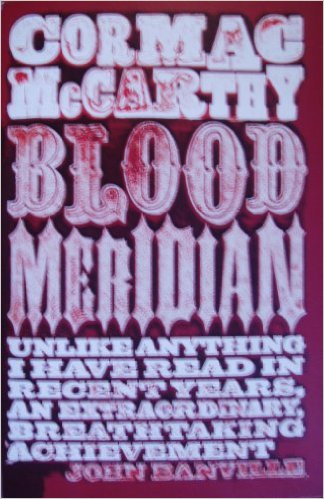
In Blood Meridian, the word nigger is used to refer to any person the troop consider "sub-human". So it is used to refer to Indians, to blacks, to Mexicans, etc.
It is ironic because the troop itself is as disgusting group of sub-human characters as you would ever want to meet.
The dramhouse was a long narrow hall wainscoted with varnished boards. There were tables by the wall and spittoons on the floor. There were not patrons. The barman looked up when they entered and a nigger that had been sweeping the floor stood the broom against the wall and went out.
I come from Mississippi. I was as a slaver, don't care to tell it. Made good money. I never did get caught.
Just got sick of it. Sick of niggers. Wait till I show ye
He turned and rummaged among the hides and handed through the flames a small dark thing. The kid turned it in his hand. Some man's heart,
dried and blackened. He passed it back and the old man cradled it in his palm as if he'd weigh it.
They is four things that can destroy the earth, he said. Women, whiskey, money, and niggers.
They asked him no questions, a ragged lot themselves. Crossbreed some, some free niggers, an Indian or two.
The captain squinted one eye at him. Were they Mexicans?
Some. Mexicans and niggers. They was a white or two with em. They had a bunch of cattle they'd stole. Only thing they left me with was a old piece of knife I had in my boot.
The captain leaned back and folded his arms. What we are dealing with, he said, is a race of degenerates.
A mongrel race, little better than niggers. And maybe no better. There is no government in Mexico. Hell, there is no God in Mexico.
Never will be. We are dealing with a people manifestly incapable of governing themselves.
Andale, said Glanton. You and your halfassedlookin niggers.
There's a game for ye, said Toadvine. Play monte in the dark with a pack of niggers. He raised the cup and drained it and set it on the bar and counted the remaining coins.
Toadvine propped his elbows on the tiles behind him. he looked at the old man and spat on the floor. Craziern a runaway nigger, aint ye? he said.
We'd been on the plain all night and well up into the next day. The Delawares kept callin halts and dropping to the ground to give a listen. There was no place to run and no place to hide.
I dont know what they wanted to hear. We knew the bloody niggers was out there and speakin for myself that was already and abundance of information, I didn't need more.
(NOTE: In this reference the "niggers" are indians that are tracking them and looking to kill them.)
Gentleman. That was all he said. He had the pistols stuck in his belt at the back and he drew them on in each hand as he is as either-handed as a spider, he can write
with both hands at a time and I've seen him to do it, and he commenced to kill indians.
We needed no second invitation. God, it was a butchery. At the first fire we killed a round a dozen and
did not let up. Before the last poor nigger reached the bottom of the slope there was fifty-eight of the lay slaughtered among the gravels.
(Discussing old indian ruins) They was passable masons, I'd say that. These niggers hearabouts now aint no kind.
Now as he was concluding this speech there passed in the road a nigger drawing a funeral hearse for one of his own kind and it was painted pink and the nigger
was dressed in clothes of every color like a carnival clown and the young man pointed out this nigger
passing in the road and he said that even a black nigger...
Here the judge paused. He had been looking into the fire and he raised his head and looked around him. His narration was much in the manner of a recital. He had not lost the thread of his tale.
He smiled at the listeners about.
Said that even a crazy black nigger was not less than a man among men. And then the ole man's son stood up and began an oration himself, pointing out at
the road and calling for a place to be made for the nigger. He used those words. That a place be made.
Of course, by this time the nigger and the hearse had passed on from sight.
How many is there, John?
Did you learn to whisper in a sawmill?
There's enough to go around, said the judge.
Don't waste powder and ball on anything that caint shoot back. If we don't kill every nigger here we need to be whipped and sent home.
This was the extent of their counsel.
(In this scene, the judge is asking after a member of their party who happens to be a black man.)
When they rode up out of the ford the judge stepped forward and took Carroll's horse by the jaw.
Where's the nigger? he said.
He looked at the judge. They were all but at eyelevel and he on horseback. I dont know, he said.
The judge looked at Glanton. Glanton spat.
How many men did you see in the square?
I didn't have time to take no headcount. There was three or four shot that I know of.
But not the nigger?
I never saw him.
Sanford pushed his horse forward. There was no nigger in the square, he said. I seen them shoot
them boys and they were ever one of white as you and me.
They set out leading both horses. The damaged animal kept wanting to stop. Tate coaxed it along. Come on fool, he said.
you aint goin to like them niggers a bit more than me. (Referring to indians that were following them and who would kill the horse.)
(In this instance a barman thinks that some of the troop are black simply because they are dirty and tanned)
Toadvine looked down the table to where Jackson sat. Several looked toward Glanton. His hands were at rest on the board in front of him and his head was slightly bent like a man at grace. The judge sat smiling, his arms crossed.
They were all slightly drunk.
He thinks were niggers.
They sat in silence. The old woman in the court had commenced wailing some dolorous air and the man standing with his hand out held.
(At this point the captain says, no one is moving and if the barman won't serve them then it will be his life)
(The barman persists)
She won't bring you nothin without I tell her to. I own this place.
Harlan was calling out the open door.
I know for a fact that man yonder's a nigger, said Owens.
Jackson looked up at him.
Brown turned to the owner.
Have you got a gun? he said
A gun?
A gun. Have you got a gun.
Not on me I aint.
Brown pulled a small fiveshot Colt from his belt and pitched it to him. He caught it and stood holding it uncertainly.
You got one now. Shoot the nigger.
Wait a goddamn minute, said Owens.
Shoot him, said Brown.
Jackson had risen and he pulled one of the big pistols from his belt. Owens pointed the pistol at him. You put that down, he said.
You better forget about givin orders and shoot the son of a bitch.
Put it down. Goddamn, man. Tell him to put it down.
Shoot him.
He cocked the pistol.
Jackson fired. The big pistol jumped and a double handful of Owen's brains went out the back of his skull and plopped on the floor behind him.
....
Brown rose and retrieved his pistol and let the hammer back down and put it back in his belt. Most terrible nigger I ever seen, he said.
Find some plates, Charlie. I doubt the old lady is out there anymore.
(On coming across a group of Mexican soldiers)
Brown spat on the ground in disgust and Glanton shook his head.
Ain't you a crazylookin bunch of niggers, he said.
(Glanton, the leader of the murderous troop is finally cornered...)
Cabballo en Pelo mounted into the actual bed with him and stood there while on of the attending tribunal handed him at his right side a common axe with the hickory helve of which was carved with pagan motifs and
tasseled with the feathers of predatory birds. Glanton spat.
Hack away you mean red nigger, he said, and the old man raised the axe and split the head of John Joel Glanton to the thrapple.
(Asking after the fate of the troop, the kid says,) The rest gone under? Smith? Dorsey? The nigger?
All, said Tobin.
(Inspecting a necklace of ears that the kid keeps with him.)
They pressed about and felt the strange dried pendants.
Niggers, aint it? they said.
Docke them niggers' ears so they'd know em when they run off.
How many is there, mister?
I don't know. Used to be near a hundred.
They held the thing up and turned it in the firelight.
Nigger ears, by god.
They aint niggers.
They ain't?
No.
What are they? Injins.
The hell they are.
Elrod you done been told.
How come them to be so black as that if they aint niggers.
They turned that way. They got blacker till they couldn't black no more.
....
Them ears could of come off of cannibals or any other kind of foreign nigger. They tell me you can by the whole heads in New Orleans. Sailors bring em in and you can buy em for five dollars all day long them heads.
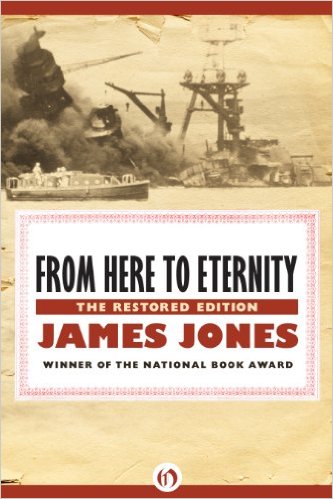
I have yet to read this book and so cannot provide any context. I know it takes place during World War II on Hawaii in the months leading up to the bombing of Pearl Harbor.
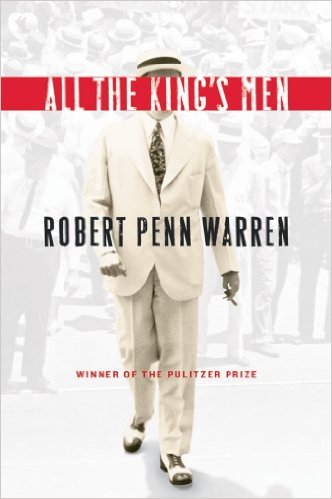
I have yet to read this book. All the King's Men portrays the dramatic political rise and governorship of Willie Stark, a cynical populist in the American South during the 1930s.
Given the fact that this takes place during the Jim Crow era in the south (and at the same time as the books Native Son and The Studs Lonigan trilogy) the words appearance is not surprising.
".... you'll come to just at the moment when the right front wheel hooks over into the black dirt
shoulder off the slab, and you'll try to jerk her back on but you can't because the slab is high
like a curb, and maybe you'll try to reach to turn off the ignition just as she starts to dive. But you
won't make it, of course. Then a nigger chopping cotton a mile away, he'll look up and see the little
column of black smoke standing above the vitrolic, arsenical green of the cotton rows, and up against
the violet, metallic, throbbing blue sky and he'll say, "Lawd God, hit's a-nudder one done done hit!" And the next nigger down the next row, he'll say, "Lawd God," and the first nigger will giggle, and the
hoe will lift again and the blade will flash in the sun like a heliograph.
You come in Number 58, and pass the cotton gin and the power station and the fring of nigger shacks and
bump across the railroad track and down a street where there are a lot of little houses painted
white one time, with the sad valentine lace of gingerbread work around the eaves of the veranda....
Then the nigger woman brought in a pitcher of water on a tray, with three glasses, slipping her feet in
old tennis shoes dryly along the boards.
I went out the back way, to the back porch. I could hear the nigger woman puttering around in the kitchen, humming to herself about her and Jesus.
"Judge," he said, and quit laughing, "you haven't got but one chance. You been guessing right in thie state going on forty years. You been sitting back here in this room and nigger boys been single-footing in here bringing you toddies and you been guessing right.
I set my glass on the shelf of the bookcase behind me. I discovered that I hadn't touched it, not since
the first sip. Well, to hell with it, I thought, and let is stand. Some nigger boy would get it in the morning.
I waited, and then I said, "Wants 'em to take the low bid, they tell me."
And Number One: "Yeah, wants 'em to take the low bid and git a passel of niggers in here."
And Number Two: "To put white folks out of work. Biulden hit."
And Number Three: "You want to work longside a nigger? And specially him a strange nigger? Builden
schoolhouse or backhouse, how so be hit?"
And Number Four: "And white folks needen work."
And Number One: "Yeah."
Yeah, I said to myself, so that is the tale for Mason County is red-neck country and they don't like
niggers, not strange niggers, anyway, and they haven't got many of their own. "How much could they save," I asked, "taking the low bid?"
And Number One: "Couldn't save enuff to pay fer bringen no passel of niggers in here.
"Putten white folks out of work," Number Two said.
"He's biggety, that what he is," Mr. Dolph Pillsbury offered, "Gits in the courthouse and gits biggety, he --"
"He's a nigger-lover," the little old bald, knotty-headed fellow submitted.
"And him, him --" Mr. Pillsbury pointed at me with an air of revelation -- "I bet he's a nigger-lover, comen up here and sashayen round, I bet he --"
"No sale," I said. "I like mine vanilla. But now you've raised the subject, what's nigger-loving got to do with it?"
But when Willie kicked about the Moore business, Pillsbury starte the nigger business. Jeffers was a big time contractor, from south of the state, and he used a lot of Negro bricklayers and plasters and carpenters in some of his crews.
Me sitting up there bearing down on those books, and then they gave me those little crappy questions. A
cornfield nigger could have answered them if he'd been able to spell.
.... not too loud but variegated and unremitting, a kind of course, hourse tweedy mixture of sounds to your nerves ends, and occasionally the clatter of dishes, for my room gave on the the kitchen area. And
now and then a nigger would sing a snatch down there.
"Not a blessed thing." Which I knew was a lie, for she was always fooling around with orphans and half-wits and blind niggers, and not even getting paid for it.
"You heard wrong," I said. "I quit."
"You were smart," he said, "because when I get through with that outfit they wouldn't be able to pay you. They won't be able to pay the nigger washes the spittoons."
"Lucy," he was saying, "she could sleep on the bare ground. And that's exactly what she's going to raise Tom to do, too, if she has her way. She'd have him so the six-year kids will be plugging him with
nigger-shooters, and then not bothering to run.
"When I came off the boat at Louisville, there was an old man, a nigger, sitting on the landing stage,
and he was blind and picking on a guitar and singing 'Old Dan Tucker.' I took the money out of my bag
and walked to him and laid it in his old hat."
"If you were going to give the money away -- if you felt the money was defiled -- why didn't you free her? Cass asked.
"You fool," Gilbert said to him, "be a private fool if you must, but in God's name don't be a public one. Do you think you can work them and free them? One day work, one day loaf. Do you think you can have
a passel of free niggers next door to a plantation of slaves?"
"I belong here," Cass replied.
"Well, why don't you preach Abolition right here?" Gilbert demanded. "Do something, do anything, but stop making a fool of yourself trying to raise cotton with free niggers."
Toward the Tennessee border the pair were taken. The man, resisting officers, was shot; the woman was brought back. "See," Gilbert said, "all you have managed to do is get one nigger killed and one nigger whipped. I offer my congratulations." So Cass put is free Negroes on a boat bound up-river, and never heard of them again.
Yeah, I said to myself, he still lives here. He lived there above a spick restaurant, and nigger children played naked in the next block among starving cats, and nigger women sat on the steps after the sun got low and fanned right slow with palm-leaf fans.
.... and in the evenings the great high-wheeled carts groaned along the rutted tracks, piled high with the fetid sweet burden, and far off across the flat black fields laid bare by the knife, under the
saffron sky, some nigger sang sadly about the transaction between him and Jesus.
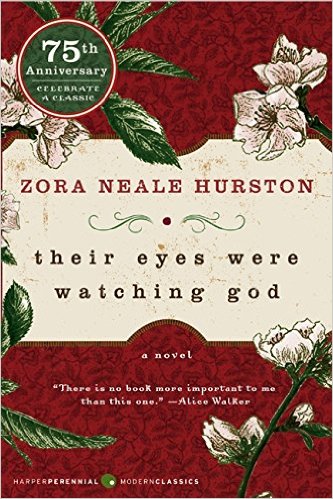
In this book was written by an African American author, the word is used in the same pejorative manner when one group of lighter skin Negros want to refer to the darker skinned people they hate. One character in particular suffers from this prejudice and has no trouble letting it show. I believe, Ms. Hurston wanted to use the word in the same hateful way... and to show that hate transcends skin color.
In all but one of the following instances, the speaker is him/herself black.
"Me, married? Naw, Nanny, no ma'am! Whut Ah know 'bout us husband?"
"Whut Ah seen just now is plenty for me, honey, Ah don't want no trashy nigger,
no breath-and-briches, lak Johnny Taylor usin' yo' body to wipe his foots on."
"Honey, de with man is de ruler of everything as fur as Ah been able tuh find out.
Maybe it's come place way off in de ocean where de black man is in power, but we
don't know nothin' but what we see. So de white man throw down de load and tell de
nigger man tuh pick it up. He pick it up because he have to, but he don't tote it.
He hand it to his womenfolks. De nigger woman is de mule uh de world so fur as Ah
can see. Ah been prayin' fuh it tuh be different wid you. Lawd, Lawd, Lawd!"
" 'Nigger', whut's yo' baby doin' wid gray eyes and yaller hair?' She began tuh slap
mah jaws ever which a'way. Ah never felt the fust ones 'cause Ah wuz too busy gittin' de kivver back over mah chile. But dem last lick burnt me lak fire.
So Ah told her, 'Ah don't know nothin' but what Ah'm told tuh do, 'cause Ah ain't
nothin' but us nigger and uh slave.'
"You and Logan been fussin'? Lawd, Ah know dat grassgut, liver-lipted nigger ain't
done took and beat mah baby already! Ah'll take a stick and salivate 'im!"
"Ah/m too honest and hard-workin' for anybody in yo' family, dat's de reason you don't
want me!" The last sentence was half a sob and half a cry. "Ah guess some low-lifed
nigger is grinnin' in you' face and lyin' tuh yuh. God damn yo' hide!"
Dave: " Well all right, less prove dis thing right now. We'll prove right now who
love dis gal de best. How much time is you willin' tuh make fuh Daisy?"
Jim: "Twenty yeahs!"
Dave: "See? Ah told yuh dat nigger didn't love yuh. Me, Ah'll beg de Judge tuh hang me, and wouldn't take nothin' less than life."
"Dat's lie dat trashy nigger dat calls hisself uh two-headed doctor brought tuh 'im in order tuh git in wid Jody. He seen he wuz sick -- everybody been knowin' dat for de last longest, and den Ah reckon he heard y'all wuz kind of at variance, so dat
multiplied cockroach wuz round heah tryin' tuh sell gophers!"
"Dat's whut you say now, but two months mo' and you'll sing another tune. Den you want tuh be keerful. Womenfolks is easy taken advantage of. you know what tuh
let none of dese stray niggers dat's settin' round heah git de inside track on yuh.
They's jes lak uh pack uh hawgs, when dey see uh full trough.
"Bet he's hangin' round some jook or 'nother. Glad Ah treated him cold. Whut do Ah
want wid some trashy nigger out de streets? Bet he's livin' wid some woman or
'nother and takin' me for uh fool. Glad Ah caought mahself in time."
Tea Cake had more goo nature under his toe-nails than they had in their so-called
Christian hears. She better not hear none of them old backbiters talking about her husband!! Please, Jesus, don't let them nasty niggers hurt her boy. If they do,
Master Jesus, grant her a good gun and a chance to shoot 'em.
"Baby, Ah run mah other arm in mah coat-sleev and grabbed dat nigger by his necktie
befo' he could bat his eye and then Ah wuz all over 'im jus' lak gravy over rice. He lost his razor tryin' tuh git loos from me.
"Naw, man, Ah wish Ah had uh thousand-leg tuh put on it." "so yuh won't lissen, huh?
Dumb niggers and free schools. Ah'm gointuh take and teach yuh. Ah'll mainline but
Ah won't side-track."
"Mis' Woods, Ah have often said to mah husband, Ah don't see how uh lady like Mis' Woods can stand all them common niggers round her place all de time."
"They don't worry me atall, Mis' Turner. Fact about de thing is, they tickles me wid
they talk."
"You'se different from me. Ah can't stand black niggers. Ah don't blame de white folks from hatin' 'em 'cause Ah can't stand 'em mahself. 'Nother thing, Ah hates
tuh see folks lak me and you mixed up wid 'em. Us oughta class off."
....
"And dey make me tired. Always laughin'! Dey laughs too much dey laughs too loud.
Always singin' ol' nigger songs! Always cuttin' de monkey for white folks. If it
wuzn't for so many black folks it wouldn't be no race problem. De white folks
would take us wid dem. De black ones is holdin' us back."
....
Who wants to be mixed up wid us rusty black man, and uh black woman goin' down de street in all dem loud colors, and whoopin' and hollerin' and laughin' over nothing? Ah don't know. Don't bring me no nigger doctor tuh hand over mah sick-bed. Ah done
had six chillun - wuzn't lucky enough tuh raise but dat one -- and ain't never had
uh nigger tuh feel my pulse. White doctors always git mah money. Ah don't go in
no nigger store tuh buy nothin' neither. Colored folks don't know nothin' 'bout
no business. Deliver me!"
"he didn't do nothin' but hold us back -- talkin' 'bout work when de race ain't never done nothin' else. He wuz uh enemy tuh us, dat's whut. He wuz white folks' nigger."
"Ah yeah, she's too smart tuh stay round heah. She figgers we'se jus' uh bunch uh
dumb niggers so she think she'll grow horns. But dat's uh lie. She'll die butt-headed."
"What kind of man is you, Turner? You see dese no count niggers come in heah and break up mah place! How kin you set and see yo' wife all trompled on? You ain't no
kinda man at all. You seen dat Tea Cake shove me down! Yes you did! You ain't
raised you' hand tuh do nothin' about it."
"And then again it never wuz as many dere as it waz heah. And then too, Janie, de
white folks down dere know us. It's bad bein' strange niggers wid white folks. Everybody is against yuh."
"Dat sho is de truth. De ones de white man know is nice colored folks. De ones he
don't know is bad niggers." Janie said this and laughed and Tea Cake laughed with her.
They sent word by the bailiff to Mr. Prescott they wanted to testify in the case. Tea
Cake was a good boy. He had been good to that woman. No nigger woman ain't never been treated no better. Naw suh! He worked like a dog for her and nearly killed
himself saving her in the storm, then soon as he got a little fever from the water,
she took up with another man.
"If you know what's good for you, you better shut your mouth up until somebody calls on you," Mr. Prescott told him coldly.
"Yassuh, Mr. Prescott."
"We are handling this case. Another word out of you, out of any of you niggers back there, and I'll bind you over to the big court."
"She didn't kill not white man, did she? Well, long as she don't shoot no white man
she kin kill jus' as many niggers as she please."
"Yeah, de nigger women kin kill up all de mens day wants tuh, but you bet' not kill
one uh dem. De white folks will sho hang yuh if yuh do."
"Well, you know whut dey say 'uh white man and uh nigger woman is the freest thing
on earth.' Dey do as dey please."
"Ah ain't got anything in mah heart aginst her. And Ah never woulda thought u thing,
but de very first day dat lap-legged nigger come back heah makin' out he was lookin'
fuh work, he come astin' me 'bout how wuz Mr. and Mrs. Woods makin' out. Dat goes
tuh show yuh he was up tuh somethin'."
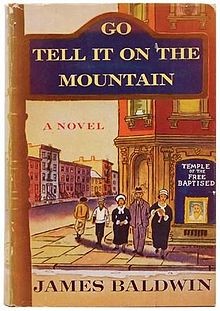
This novel takes place (at least the first chapter) in 1930's Harlem. When the character John visits Manhattan he recalls how his father (a very strict christian) tells him he can't never trust white folk. That white folk hate niggers and cannot be trusted. The word is sprinkled through out the book, and usually has its derogatory meaning people of low character.
Almost every instance of the word in this book is black people, trying to use it to describe other lower class black people or criminals. The characters in this book don't think much of "niggers" and use the word with derision.
His father said that all white people were wicked, and that God was going to bring them low. He said that white people were never to be trusted, and that they told nothing but lies, and that not one of them had ever loved a nigger. He, John, was a nigger, and he would find out, as soon as he got a little older, how evil white people could be.
...
Niggers did not live on these streets where John now walked; it was forbidden; and yet he walked here, and no one raised a hand against him. But did he dare to enter this shop out of which a woman now casually walked, carrying a great round box?
"Hush now," said his mother rising, "ain't no need for all this. What's done is done. We ought to be on our knees, thankint the Lord it weren't no worse."
"Amen to that," said Aunt Florence, "tell that foolish nigger something."
"You can tell foolish son of yours something," he said to his wife with venom, having decided, it seemed,
to ignore his sister, "him standing there with them big buckeyes. You can tell him to take this like a
warning fromt the Lord. This is what white folks does to niggers. I been telling you, now you see."
"Lord," said Elisha, running water into the sink, and talking, it seemed, to the water, "That sure is
a sassy nigger out there. I hope he don't get hisself hurt one of these days, running his mouth
thataway. Look like he just won't stop till somebody busts him in the eye."
He signed deeply, and began to lather his hands. "Here I come running all the way so he wouldn't bust
a gut lifting one of them chairs, and all he got to say is 'put some water in a bucket.' Can't do
nothing with a nigger nohow."
He had done, but never so heavy a burden as this she carried now -- on prayed in silence. It was
indecent, the practice of common niggers to cry aloud at the foot of the alter, tears streaming for
all the world to see.
While she still sat, amazed, and wondering what, on judgement day, would be the best behaviour, in rushed
Bathsheba, and behind her many tumbling children and field hands and house niggers, all together, and
Bathsheba shouted; "Rise up, rise up, Sister Rachel, and see the Lord's deliverance!"
Years later, Deborah and Florence had stood on Deborah's porch at night and watched a vomit-covered
Gabriel stagger up the moonlit road, and Florence had cried out: "I hate him! Big, black, prancing
tomcat of a nigger!" And Deborah had said, in that heavy voice of hers: "You know, honey, the World
tell us to hate the sin but not the sinner."
But it was she who was right, she who knew; with Frank she had always been right; and it had not been
her fault that Frank was the way he was, determined to live and die a common niger.
"The only surprise I want from you is to learn some sense! That'd be a surprise! You think I want to
stay around here the rest of my life with these dirty niggers you all the time bring home?"
"Where you expect us to live, honey, where we ain't going to be with niggers?"
"You ain't got to be white to have some self-respect! You reckon I slave in this house like I do so you
and them common niggers can sit here every afternoon throwing ashes all over the floor?"
"And who's common now, Florence?" he asked, quietly in the immediate and awful silence in which she
recognized her error. "Who's acting like a common nigger now? What you reckon my friend is sitting
there a-thinking?"
"it's a letter from my brother's wife." She stared at her face in the mirror, thinking angrily that
all these skin creams were a waste of money, they never did any good.
"What's them niggers doing down home? If ain't no bad news, is it?" Still he hummed, irrepressibly,
deep in his throat.
"No... well, it ain't no good news neither, but it ain't nothing to surprise me none. She says she
think my brother's got a bastard living right there in the same town what he's scared to call his own."
"No? And I thought you said your brother was a preacher?"
"Being a preacher ain't never stopped a nigger from doing his dirt."
"You know," she said, watching her with more attention, "Florence ain't never thought none of these niggers around here was good enough for her."
.... the door had barely closed behind the women when one of the eldter, a heavy, cheery, sandy-haired
man, whose face, testifying no doubt to the violence of his beginnings, was splashed with freckles like
dried blood, laughed and said, referring to Deborah, that there was a holy woman, and right! She had been choked so early on the white men's milk and ir remained so sour in her belly yet, that she would
never be able, now, to find a nigger who would let her taste his richer, sweeter substance. Everyone at the table roared....
... "well, she think it must've been one of them boys what's all time passing through here, looking for work, on their way North -- you know? them real shiftless niggers -- well, she think it must've been
on of them got Esther in trouble.
Now, someone spat on the sidewalk at Gabriel's feet, and he walked on, his face not changing, and he
heard it reprovingly whispered behind him that he was a good nigger, surely up to no trouble. He hoped
that he would not be spoken to, that he would not have to smile into any fo these so well-known
white faces.
"I know," he said abruptly, "but they ain't going to bother me. They done got their nigger for this
week. I ain't going far noway."
"Yes," she said, not looking at him now, "he been living in Chicago about a year, just a-drinking and
a-carrying on -- and his grandmama, she tell me that look like he got to gambling on night with some
of them northern niggers and one of them got mad because he thought the boy was trying to cheat him,
and took out his knife and stabbed him. Stabbed him in the throat, and she tell me he died right
there on the floor in that barroom...
"Yes," she said, "I'm waiting on the Lord."
Then there was only silece, except for the rain. The rain came down in buckets; it was raining, as they
said, pitchforks and nigger babies. Lighting flashed again across the sky and thunder rolled.
"Listen," said Gabriel. "God is talking."
For her father ran what her aunt called a "house" -- not the house where they lived, but another house,
to which, as Elizabeth gathered, wicked people often came. And he had also, to Elizabeth's rather
horrified confusion, a "stable." Low, common niggers, the lowest of the low, came from all over (and
sometimes brought their women and sometimes found them there) to eat, and drink cheap moonshine, and play music all night long -- and to do worse things, her aunt's dreadful silence then suggested, which were
far better left unsaid.
"Well, maybe, we to to a museum."
The first time he suggested this, she demaneded, in panic, if they would be allowed to enter.
"Sure, they let niggers in," Richard said. "Ain't we got to be educated, too -- to live with the motherfuckers?"
"I done heard it said often enough," said Florence, "but I got yet to see it. These niggers running around, talking about the Lord done changed their hearts -- ain't nothing happened to them niggers. They go the same old black hearts they was born with."
"but you ain't fixing, is you," asked Florence, "to stay single all your days? You's a right young
girl, and a right pretty girl. I wouldn't be in no hurry if I was you to find a new husband. I don't
believe the nigger's been born what knows how to treat a woman right. You got time, honey, so take
your time."
John had heard it, too, and had responded by wriggling, and moving his hands in the air, and making
noises, meant, she supposed, to be taken for a song. "You's a nigger, all right," she thought with
amusement and impatience - for it was someone's gramophone, on a lower floor, filling the air with
the slow, high, measured wailing of the blues.
"He ain't," said Florence, briskly, "working no harder up here than he worked down home,"
she said to Elizabeth, "they think New York ain't nothing but one long, Sunday drunk."
And: Is this it? John terrified soul inquired -- What is it? -- John's terrified soul inquired --
What is it? -- to no purpose, recieving no answer. Only the ironic voice insisted yet once more
that he rise from that filthy floor if he did not want to become like all the other niggers.
Then the ironic voice, terrified, it seemed, of no depth, no darkness, demanded of John, scornfully,
if he believed that he was cursed. All niggers had been cursed, the ironic voice reminded him, all
niggers had come from this most undutiful of Noah's sons. How could John be cursed for having seen
in a bathtub what another man -- if that other man had ever lived -- had seen ten thousand years ago,
lying in an open tent?
The character of Eugene Gant is generally believed to be a depiction of Wolfe himself. The novel covers the span of time from Eugene's birth to the age of 19. The setting is the fictional town and state of Altamont, Catawba, a fictionalization of his home town, Asheville, North Carolina.
Given that the time period starts in 1910 or so, and is in North Carolina (where I have personal knowledge of the racist attitudes of the time) it is not surprising that the word is used.
I personally recall people in Spruce Pine, NC being proud of the fact that, at one point in time, they rounded up all the black folk in the town and sent them away on the railroad. This was 30+ years ago, but I wonder if the people of that town are still proud of that fact.
This book is about racism. The word HAS to be used in this book by the characters who are the racists. Take away the word, and you may as well burn the book. Still, it's hard to hear in some of the places it's used. These people, the racists, are barely human, and as proved by the end of the book, don't deserve the consideration commonly given to civilized people.
(Talking about ghosts that wander the night)
That keeps 'em from wrapping around you--"
"Don't you believe a word he says, Dill." I said. "Calpurnia says that's nigger-talk."
"Mr. Radley shot at a Negro in his collard patch."
"Oh. Did he hit him?"
"No," said Miss Stephanie. "Shot in the air. Scared him pale, though. Says if anybody sees a white nigger around, that's the one. Says he's
got another barrel waitin' for the next sound he hears in that patch, an' next time he won't aim hogh, be it dog, nigger, or --- Jem FINCH!"
"Ma'am?" asked Jem.
Atticus spoke. "Where're your pants, son?"
Jem scooped up an armful of dirt, patted it into a mound on which he added another load, and another until he had constructed a torso.
"Jem, I ain't never heard of a nigger snowman." I said.
"He won't be black long," he grunted.
Cecil Hacomds made me forget. He had announced in the school yard the day before that Scout Finch's daddy defended niggers. I denied it, but
told Jem.
"Do you defend niggers, Atticus?" I asked him that evening.
"Of course I do. Don't say nigger, Scout. That's common."
....
But I was worrying another bone. "Do all lawyers defend n-Negroes, Atticus?"
"Of course they do, Scout."
"Then why did Cecil say you defended niggers? He made it sound like you were runnin' a still."
Atticus sighed. "I'm simply defending a Negro - his name's Tom Robinson.
With this in mind, I faced Cecil Jacobs in the schoolyard next day: "You gonna take that back, boy?"
"You gotta make me first!" he yelled. "My folks said your daddy was a disgrace an' that nigger ought to hand from the water-tank!"
"If Uncle Atticus lets you run around with stray dogs, that's his business, like Grandma says, so it ain't your fault. I guess it ain't your fault if Uncle
Atticus is a nigger-lover besides, but I'm here to tell you it certainly does mortify the rest of the family -"
"Francis, what the hell do you mean?"
"Just what I said. Grandma says it's bad enough he lets you all run wild, but now he's turned out a nigger-lover we'll never be able to walk
the streets of Maycomb again. He's ruinin' the family, that's what he's doing."
Francis rose and sprinted down the catwalk to the old kitchen. At a safe distance he called, "He's nothin' but a nigger lover!"
"He is not!" I roared. "I don't know what you're talkin' about, but you better cut it out this read hot minute!"
I leaped off the steps and ran down the catwalk. It was easy to collar Francis. I said take it back quick.
Francis jerked loose and sped into the old kitchen. "Nigger-lover!" he yelled
When stalking one's prey, it is best to take one's time.
"I ain't botherin' you," I said
Francis looked at me carefully, concluded that I had been sufficiently subdued and crooned softly, "Nigger-lover..."
This time I split my knuckle to the bone on his front teeth.
Uncle Jack scratched his head. "What was your side of it, Scout?"
"Francis called Atticus somethin', an' I wasn't about to take it off him."
"What did Francis call him?"
"A Nigger-lover. I ain't sure what it means, but the way Francis said it -- I tell you one thing right now, Uncle Jack, I'll be -- I swear before God if I'll sit there and let him say somethin' about Atticus."
"Come on, Scout," he whispered. "Don't pay any attention to her, just hold your head up high and be a gentleman."
But Mrs. Dubose held us: "Not only a Finch waiting on tables, but one in the courthouse lawing for niggers!"
Jem stiffend. Mrs. Dubose's shot had gone home and she knew it.
"Yes indeed, what has this world com to when a Finch goes against his raising? I'll tell you!" She put her hand to her mouth. When she drew it away, it trailed a long thread of saliva. "Your father's no better than the niggers and trash he works for!"
Jem was scarlet.
In later years, I sometimes wondered exactly what made Jem do it, what made him break the bonds of "You just be a gentleman, son," and the phase of self-concious rectitude he had recently entered. Jem had problably stood as much guff about Atticus lawing for niggers as had I, and I took for granted that he kept his temper - he had a naturally tranquil disposition and a slow fuse. At the time, however, I thought the only explanation for what he did was that for a few minutes he simply went mad.
"Jem," he said, "are you responsible for this?"
"Yes, sir."
"Why'd you do it?"
Jem said softly, "She said you lawed for niggers and trash."
"You did this because she said that?"
Jem's lips moved, but his "Yes, sir" was inaudible.
"Son, I have no doubt that you've been annoyed by your contemporaries about me lawing for niggers, as you say, but to do something like this to a sick old lady is inexcusable. I strongly advise you to go down and have a talk with Mrs. Dubose," said
Atticus. "Come straight home aftward."
The next afternoon at Mrs. Dubose's was the same as the first, and so was the next, until gradually a patern
emerged; everything would begin normally - that is, Mrs. Dubose would hound Jem for a while on her
favorite subjects, her camellias and our father's nigger-loving propensities; se would grow
increaslingly silent, then go away from us. The alarm clock would ring, Jessie would shoo us out,
and the rest of the day was ours.
"Atticus" I said one evening, "what exactly is a nigger-lover?"
Atticus's face was grave. "Has somebody been calling you that?"
"No sir, Mrs. Dubose calls you that. She warms up every afternoon calling you that. Francis called
me that last Christmas, that's where I first heard it."
"Is this the reason you jumped on him?" asked Atticus.
"Yes sir..."
"Then why are you asking me what it means?"
I tried to explain to Atticus that it wasn't so much what Francis said that had infuriated me as
the way that he said it. "It was like he'd said snot-nose or somethin'."
"Scout," said Atticus, "nigger-lover is just one of those terms that don't meand anything - like snot-nose.
It's hard to explain - ignorant, trashy people us when they think somebody's favoring Negroes over and
above themselves. It's slipped into usage with some people like ourselves, when they want a common,
ugly term to label somebody."
"You aren't really a nigger-lover, then, are you?"
"I certainly am. I do my best to love everybody...
I felt Calpurnia's hand dig into my shoulder. "What you want, Lulu?" she asked, in tones I had never heard her use.
She spoke quietly, contemptuously.
"I wants to know why you brinin' white chillum to a nigger church."
"They's my comp'ny," said Calpurnia. Again I thought her voice strange; she was talking like the rest of them.
"Yeah, an' I reckon you's comp'ny at the Finch house durin' the week."
A murmer ran through the crowd. "Don't you fret," Calpurnia whispered to me, the the roses on her hat trembled indignantly.
When Lula came up the pathway towards us Calpurnia said, "Stop right there, nigger."
That Calpurnia led a modest double life never dawned on me. The idea that she had a separate existance outside our
household was a novel one, to say nothing of her having command of two languages.
"Cal," I asked, "why do you talk nigger-talk to the - to your folks whe you know it's not right?"
"Well, in the first place I'm black -"
"That doesn't mean you hafta talk that way when you know better," said Jem.
It stood on no lonely hill, gut was wedged between Tyndal's Hardware Store and The Maycomb Tribune office. The jail
was Maycomb's only converstation piecy; its detractors said it looked like a Victorian privy; its supporters
said it gave the town a good solid respectable look, and no stranger would ever suspect that is was full of niggers.
"Oh-h now, I wouldn't say that," said another. "Atticus Finch's a deep reader, a mighty deep reader."
"He reads all right, that's all he does." The club snickered.
"Lemme tell you somthin' now, Billy," a third said, "you know the court appointed him to defend this nigger."
"Yeah, but Atticus aims to defend him. That's what I don't like about it."
This was news, news that put a different light on things: Atticus had to, whether he wanted to or not.
"What night, sir?"
Mr. Tate said, "It was the night of November twenty-first. I was just leaving my office to go home wheh B -
Mr. Ewell came in, very excited he was, and said get out to his house quick, some nigger'd raped his girl."
Mr. Ewell looked confusedly at the judge. "Well, Mayella was raisin' this holy racket so I dropped m'load and run as fast as I could but I run into th'
fence, but when I got distangled I run up to th' window and I seen ==" Mr. Ewell's face grew scarlet. He stood up and pointed his finger at Tom Robbinson.
"-- I seen that black nigger yonder ruttin' on my Mayella."
"Then what did you do?"
"Why, I run for Tate quick as I could. I knowed who it was, al right, lived down yonder in that nigger-nest, passed the house every day.
Jedge, I've asked this county for fifteen year to clean out that nest down yonder, they're dangerous to live around 'sides devaluin' my properly --"
Tricking lawyers like Atticus Finch took advantage of him all the time with their tricking ways. He had told them what happened, he'd say it again and again
- which he did. Nothing Atticus asked him after that shook his story, that he'd looked through the window, then ran the nigger off, then ran
for the sherriff. Atticus finally dismissed him.
Mayella pointed to Tom Robbinson. "I'll have to ask you to be more specific, please," said Mr. Gilmer. "The reporter can't put down gestures very well."
"That'n yonder," she said. "Robinson."
"Then what happened?"
"I said come here, nigger, and bust up this chiffarobe for me, I gotta nickel for you.
"Didn't you ever ask him to come inside the fence before?"
She was prepared now. "I did not, I certainly did not."
"One did not's enough," said Atticus serenely. "You never asked him to do odd jobs for you before?"
"I mighta," conceded Mayella. "There was several niggers around."
"Cn you remember any other occasions?"
"No."
Suddenly Mayella became articulate. "I got somethin' to say," she said.
Atticus raised his head. "Do you want to tell us what happened?"
But she did not hear the compassion in his invitation. "I got somethin' to say an' then I ain't gonna say no more. That nigger yonder took
advantage of me an' if you fine fancy gentlemen don't want to do nothin' about it then you're all yellow stinkin' cowards, stinkin' cowards, the lot of you.
Your fancy airs don't come to nothin' -- Your ma'amin' and Miss Mayellerin don't come to nothin', Mr. Finch--"
(Now Tom Robinson is on the stand) "Then what did she do?"
The witness swallowed hard. "She reached up an' kissed me 'side of th' face. She says she never kissed a grown man before an' she might as well kiss a
nigger. She says what her papa do to her don't count. She says, 'Kiss me back, nigger.' I say Miss Mayella lemme outa here
and' tried to run but she got her back to the door an' I'da had to push her.
"Mr. Finch, he were talkin' and lookin' at Miss Mayella."
"Then you ran?"
"I sho' did, suh."
"Why did you run?"
"I was scared, suh?"
"Why were you scared?"
"Mr. Finch, if you was a nigger like me, you'd be scared, too."
(Afer a disturbance in the court where a white man stands up and vouches for Tom Robbinson's good behaviour...)
Judge Taylor told the reporter to expunge anything he happened to have written down after Mr. Finch if you were a nigger like me you'd be
scared too, and told the jury to disregard the interruption.
...
"Go ahead, Mr. Gilmer."
"You were given thirty days once for disorderly conduct, Robinson?" asked Mr. Gilmer.
"Yes suh."
"What'd the nigger look like when you got through with him?"
"He beat me, Mr. Gilmer."
"Yes, but you were convicted, weren't you?"
Atticus raised his head. "It was a misdemeanor and it's in the record, Judge." I thought he sounded tired.
"You're very candid about this, why did you run so fast?"
"I says I was scared, suh?"
"if you had a clear conscience, why were you scared?"
"Like I says before, it were'nt safe for any nigger to be in a -- fix like that."
"But you weren't in a fix -- you testified that you were resisting Miss Ewell. Were you so scared that she'd hurt you, you ran, a big buck like you?"
"No suh, I's scared I'd be in court, just like I am now."
"Scared of arrest, scared you'd have to face up to what you did?"
"No suh, scared I'd hafta face up to what I didn't do."
"Are you being impudent to me, boy?"
Mr. Ewell call him names wild horses could not bring her to repeat. Mr. Ewell was a veteran of an obscure war; that plus Atticus's peaceful reaction
probably prompted him to inquire, "Too proud to fight, you nigger-lovin' bastard?" Miss Stephanie said Atticus said, "No, too old," put his
hands in his pockets and strolled on.
Mycomb was interested by the news of Tom's death for perhaps two days; two days was enough for the information to spread through the county. "Did you hear
about? . . . No? Well, they say he was runnin' fit to beat lightnin' . . . " To Maycomb, Tom's death was Typical. Typical of a nigger to cut
and run. Typical nigger's mentality to have no plan, no thought for the future, just run blind first chance he saw. Funny thing, Atticus
Finch might've got him off scot free, but wait --? Hell no. You know how they are. Easy come, easy go. Just shows you, that Robinson boy was legally
married, they say he kept himself clean, went to church and all that, but when it comes down to the line the veneer's mighty thin. nigger
always comes out in 'em.
"First thing you can do, Ewell, is get your stinkin' carcass off my property. You're leanin' on it an' I can't afford fresh paint for it. Second thing you
can do is stay away from my cook or I'll have you up for assault --"
"I ain't touched her, Link Deas, and ain't about to go with no nigger!"
"You don't have to touch her, all you have to do is make her afraid, an' if assault ain't enough to keep you locked up a while, I'll get you on the Ladies
Law, so get outa my sight! If don't think I mean it, Just bother that girl again!"
I have yet to read this novel, but can provide some context. This take place in the same setting and same era as The Studs Lonigan books. The novel tells the story of 20-year-old Bigger Thomas, a black American youth living in utter poverty in a poor area on Chicago's South Side in the 1930s
It is surprising to me, having not read the book, that the word does not appear more often.
I have yet to read this myself and so cannot provide much context. The wikipedia summary states:
The story takes place on Anopopei, a fictional island somewhere in the South Pacific. American forces are faced with a campaign to drive out the Japanese so that Americans can advance into the Philippines. The novel itself focuses on the experiences of one platoon, overseen by Lieutenant Hearn and General Cummings. Although Mailer does not write about the significance or details of the campaign, it is implied that this platoon, like all platoons in the Army, is simply just obeying orders, uncertain what those orders might be.
This makes me wonder why the word would be used so often - as the armed forces were not integrated at this time.
From the samples I read, it appears that the characters are talking about black mistresses and experiences back home before the war.
This book is so completely offensive that the word nigger hardly matters in the context of the story... if you could call it a story... or say it has a context..
Just to give some examples: the word CUNT appears: 42 times. The word BITCH 12 times; the word WHORE 9 times; the word FAGGOT 6 times; the word SHIT 87 times; you get the idea... This is not a book for the sensitive soul.
I'm bumping the count on here by 1 because I came across the word "Nigra" which I never thought to search for before.
Back through Lake Charles and the dead slot-machine country, south end of Texas
nigger-killing sheriffs look us over and check the car papers. Something falls
off you when you cross the border into Mexico, and suddenly the landscape hits you
straight with nothing between you and it, desert and mountains and vultures.....
Not that Caucasians are immune: five British sailors contracted the disease in Zanzibar. And in Dead Coon County, Arkansas ["Blackest Dirt, Whitest People in the
U.S.A. - Nigger, Don't Let The Sun Set On You Here"] the County Coroner come
down with buboes fore and aft.
P.L: "Benway is an infiltrating Western Agent."
Lt. 1: "A rampant French Jew..."
Lt. 2: "A hog-balled, black-assed Communist Jew Nigger,"
P.L.: "Shut up, you fool!"
Lt. 2: "Sorry, Chief. I am being stationed at Pigeon Hole."
They appeared in Liberia dressed in black Stetsons and red galluses:
"So I shoot that old nigger and he flop on his side one leg up in the air just a-kicking."
"Yeah, but you ever burn a nigger?"
They always pacing around bidonvilles smoking huge cigars:
Since there is no sure way to detect a disguised replica (though every Divisionist has some
method he considers infallible) the Divisionists are hysterically paranoid. If some citizen
ventures to express a liberal opinion, another citizen invariably snarls: "What are you? Some
stinking nigger's bleached-out replica?"
The causalities in barroom fights are staggering. In fact the fear of Negro-replicas - which may
be blond and blue-eyed - has depopulated whole regions.
There's not a finer man in this Zone than Roy Bane ... So he said to me he says, 'Arch, you
see that ol' nigger over there in the vacant lot? Well, sure as shit and taxes, he
comes here every night just as regular as you can set you watch by him. Every night round
eight thirty he goes over into that lot yonder and pulls himself off with steel wool ...
Preachin' nigger, they tell me.'
"So that's how I come to know the hour more or less on Friday the 13th and it couldn't have been more than twenty minutes half and hour after that, I'd took some Spanish Fly in Doc;s store and it was jest beginning to work on me down by Grennel Bog on my way to Nigger town ...Well the bog makes a bend, used to be a nigger shack there ... They burned that
ol' nigger over in Cunt Lick. Nigger has the aftosa and it left him stone blind .. So this white girl down from Texarkana screeches out:
"'Roy, that ol' nigger is looking at me so nasty. Land's sake I feel just dirty
all over.'
"'Now, Sweet Thing, don't you fret yourself. Me an' the boys will burn him.'
"'Do it slow, Honey Face. Do it slow. He's give me a sick headache.'
"So they burned the nigger and that ol' boy took his wife and went back up to Texarkana without paying for the gasoline and old Whispering Lou runs the service station couldn't talk about nothing else all fall: 'These city fellers come down here and burn a nigger and don't even settle up for the gasoline.'
"Well, Chester Hoot tore that nigger shack down and rebuilt it just back of his house up Blood Valley. Covered up all the windows with black cloth, and what goes on in there ain't
fittin' to speak of ... Now Chesters he's got some right strange ways ... Well, it was just where
the nigger used to be, right across from the old Brooks place then ...
And he plunged into an anecdote about a nigra to the hydrophobia from a cow:
"So my pappy says to me" 'Finish up your chores, son, and let's go see the mad nigger...'
They had that nigger chained to the bed and he was bawling like a cow ... I soon got
enough of that ol' nigger. Well, if you all will excuse me I got business in the
Privy Council. He he he!"
This book is about a black man, raised in the south who moves to New York. It is commonly acknowledged to be one of the greatest books written in the 20th century. The word nigger comes up frequently and is used by characters both white and black. Without it, this book would not be what it is.
It must be noted... the author is black.
Many of the speakers in these instances are black themselves, but still, the term is derogatory in almost every instance of use.
But now I felt a sudden fit of blind terror. I was unused to darkness. It was as though I had suddenly found myself in a dark room filled with poisonous cottonmouths. I could hear the bleary voices yelling insistently for the battle to begin.
"Get going in there!"
"Let me at that big nigger!"
I strained to pick up the school superintendent's voice, as though to squeeze somem security out of the slightly more familiar sound.
"Let me at those black sonsabitches!" someone yelled.
"No, Jackson, no!", another voice yelled.
"Here, somebody, help me hold Jack."
"I want to get at that ginger-colered nigger. Tear him limb from limb," the first voice yelled.
As told, we got arount the square rug on our knees. Slowly the man raised his freckled hand as we followed it upward with our eyes. I heard, "These niggers look like they're about to pray!" Then
"Ready," the man said. "Go!"
I lunged for the yellow coin lying on the blue design of the carpet, touching it and sending a surprised shriek to join those rising around me. I tried frantically to let go. A hot, violent force tore through my body, shaking me like a wet rat. The rug was electrified.
I was careful not to come too close to teh rug now, and when I felt the hot whiskey breath desend upon me like a cloud of foul air I reached out and grabbed the leg of a chair. It was occupied and I held on desperately.
"Leggo, nigger! Leggo!"
The huge face wavered down to mine as he tried to push me free.
"Now open that one." And I did and in it I found an engraved document containins a short message in letters of gold. "Read it," my grandfather said. "Out loud."
"To whom it May Concern," I intoned. "Keep this Nigger-Boy Running."
I awoke with the old man's laughter ringing in my ears. (It was a dream I was to remember and dream again for many years after.
"Gentlemen, this is my grandfather!"
"But he's white, his name's Norton."
"I should know my own grandfather! He's Thomas Jefferson and I'm his grandson -- on the 'field-nigger' side," the tall man said.
"Who told you to take him out there?" he said.
"He did, sir, No one else."
"Don't lie to me!"
"That's the truth, sir"
"I warn you now, who suggested it?"
"I swear, sir. No one told me."
"Nigger, this isn't the time to lie. I'm no white man. Tell the truth!"
It was as though he'd struck me. I stared across the desk thinking, He called me that....
"I mean it, son," he said. "I had to be strong and purposeful to get where I am. I had to wait and plan and lick around.... Yes, I had to act the "nigger!" he said, adding another fiery, "Yes!"
"Men, brothers! Give the brother a chance...."
"He looks like a dirty fink to me. A first class enameled fink!"
The hoarsely voiced word grated my ears like "nigger in an angry southern mouth....
With a profound sigh he dropped his head in shame. He'd lose caste. The weekly newspapers would attack him. The caption over his picture: Prominent Educator Reverts to Field Niggerism! His rivals would denounce him as a bad example for the South.
She was a short yellow woman with a pince-nez on a chain, her hair pinned up in knots.
"We keep our place clean and respectable and we don't want you field niggers coming up here from the South and ruing things," she shouted with blazing hate.
Tod Clifton is crowded and he needs the room. 'Tell them to get out of the box,' that's what he would say if you could hear him. 'Tell them to get out of the box and go teach the cops to forget that rhyme. Tel them to teach that when they call you nigger to make a rhyme with trigger is makes a gun backfire.'
"They planned it. The want the mobs to come uptown with machine guns and rifles. They want the streets to flow with blood; your blood; black blood and white blood, so they can turn your death and sorrow and defeat into propaganda. It's simple, you've known it a long time. It goes, 'Use a nigger to catch a nigger.' Well, they used me to catch you and now they're using Ras to do away with me and to prepare your sacrifice. Don't you see it? Isn't it clear....?"
"You see the way he went down, zoom! I was just fixing to slug the bastard."
"You hit him?"
"I don't know."
"Say, Joe, you think the bastard's dead?"
"Maybe. He sure is in the dark though. You can't even see his eyes." "Nigger in the coal pile, eh Joe?"
"You sonofabitch!" one of them called, outraged. Then the match went out and I heard something fall softly upon the coal near by. They were talking above.
"You goddam black nigger sonofabitch," someone called, "see how you like this," and I heard the cover settle over the manhole with a dull clang.
This novel takes place among less educated farm/ranch hands who, at the time are generally racist in any case. The novel just reflects the characters of the time.
"Sure Ya see the stable bucks' a nigger"
"Nigger, huh?"
"Yeah. Nice fella too. Got a crooked back where a horse kicked him."
Jesus we had fun. They let the nigger come in that night. Litter skinner name of Smitty took after the nigger. Done pretty good, too. The guys wouldn't let him use his feet so the nigger got him. If he coulda used his feet, Smitty says, he woulda killed the nigger. The guys said on account of the nigger's got a crooked back, Smitty can't use his feet"
"Where the hell is that God damn nigger?" George started at his solitaire lay, and then flounced the cards together..."
"Jesus, how that nigger can pitch shoes."
"He's plenty good," said Slim.
I say something, why it's just a nigger sayin' it." Lennie asked," How long you think it'll be before them pups will be old enough to pet?"
"This is just a nigger talkin', an' a busted-back nigger. So it don't mean nothing, see? You couldn't remember it anyways.
Standin; here talkin' to a bunch of bindle stiffs - a nigger an' a dum-dum and a lousy ol' sheep - an likin' it because they ain't nobody else.
She turned on him in scorn. "Listen, Nigger," she said. "You know what I can do to you if you open your trap?"
Crooks stared hopelessly at her, and then he sat down on his bunk and drew into himself.
She closed in on him. "You know what I could do?"
Crooks seemed to grow smaller, and he pressed himself against the wall. "Yes, ma'am."
"Well, you keep your place them, Nigger. I would get you strung up upon a tree so easy it ain't even funny."
"All right, you guys," he said. "The nigger's got a shotgun. You take it, Carlson. When you see 'um, don't give 'im no chance. Shoot for his guts."
I have yet to read this, so can only provide context from the plot summary. The story focuses on the relationship of several retired Texas Rangers and their adventures driving a cattle herd from Texas to Montana in 1876. Given that this is only 10 years after the Civil War, the word would still be in common use.
However, when she got them cooked, he ate one and was very pleased with the taste. Then he and the girl divided the rabbit
and ate it to the last bite, throwing the bones into the creek. The combinatino of rabbit and fog innards has caused
quite a congregation of turtles to collect.
"Niggers eat turtles," the girl said, cracking a rabbit bone between her teeth.
"They eat most anything," Roscoe said. "I guess they can't be choosy."
"You've thought about it as a business for too long. If you win the card game you ought to pretend you're a fancy lady in San
Francisco who don't have nothing to do but lay around on silk sheets and have a nigger bring you buttermilk once in a while. And
what my job is is to make you feel good."
"I wouldn't mind you either, Jake," Sally said. "I wish I could trade places with her."
"You what?" he asked, mightily startled.
"I've went with a nigger before but never an Indian," she said. "I'd like to try one."
The news about the nigger was a shock to Jake. He knew Sal was wild, but hadn't supposed she was that wild. The look on
her face frightened him a little.
"You know something else? I paid that nigger," she said. "I give him ten dollars to turn whore and then he never got to spend it"
"Why not? Jake asked.
"He bragged and they hung him from a tree," Sally said. "Wrong thing to brag about in Georgia. Some of them wanted to hang me but they
didn't have the guts to hang a woman. I just got run out of town."
"How many were there?" Call asked. "Or could you get a count?"
"I expect it was Dan Suggs and his two brothers, and a bad nigger they ride with," Wilbarger said. "I think I hit the nigger."
Dan quivered, his eyes popping with hatred. When Deets came over with some rawhide strings he snarled at him, baring his teeth. "Don't you tie me, nigger boy," he said. "I'll not forget you if you do."
Deets finally got the nooses done. He mounted and rode behind each man, to carefully set the knots. Little Eddie submitted quietly, but
Dan Suggs shook his head like a wildcat when Deets came to him.
"Nigger boy, don't you get near me," he said. "I won't be hung by no black nigger."
"You're yellow bellies, both of you, or you would have fought me fair," Dan Suggs said, glaring down at him. "I'll fight you yet, barehanded, if you'll just let me down. I'll fight the both of you right now, and this nigger boy too."
"You'd do better to say goodbye to your brothers," Call said. "I expect you got them into this."
"Some do and some just keep coming," Captain Weaver said. "I didn't come over here to talk all morning. Have you men seen any sign?"
"Our scout didn't mention any," Call said, waving to Deets.
"Oh, you've got a nigger for a scout," Dixon said. "No wonder you're lost."
"We ain't lost," Call said, annoyed suddenly, "and that black man could track you across the coals of hell."
"If I see you in town I'll box your goddamn ears," Dixon said, addressing himself to Call.
Call ignored the man. He turned and started to ride away. Augustus released the young lieutenant's bridle.
"Leave me that nigger," Weaver said. "I've heard they can smell Indians. They're just red niggers, anyway."
"No," said Call. "I'd be afraid you'd mistreat him."
The other hands were somber. Soupy Jones and Bert Borum, who didn't feel it appropriate for white men to talk much to niggers,
exchanged the view that nevertheless this one had been uncommonly decent. Needle Nelson offered to help dig the grave, for Deets had
been the man who finally turned the Texas bull the day the bull got after him.
I have yet to read this, and so cannot provide any context. The plot in this book is odd, in keeping with Pynchon's style.
The opening pages of the novel follow Pirate Prentice, an employee of the Special Operations Executive, first in his dreams, and later around his house in wartime London. Pirate's associate Teddy Bloat photographs a map depicting the sexual encounters of U.S. Army Lt. Tyrone Slothrop, an employee of a fictional technical intelligence unit called ACHTUNG. Each of Slothrop's sexual encounters in London appears to precede a V-2 rocket strike in the same place by several days.
Oh, it's the Red River all right, if you don't believe it just ask that "Red," where he may be
(tell you what Red means, FDR's little asshole buddies, they want to take it all waway, women all have
hair on their legs, give it all to them or they'll blow it up roung black iron in the middle of the night
bleeding over Polacks in gray caps okies nigger yeah niggers especially...)
Cripple on the right foot, cripple on the left foot,
Crippled up both feet 'n' that makes three!
Well on litte fairy, even one bull dyke,
One little nigger, one little kike,
One Red Indian with one buffalo,
And a buffalo hunger from New Mexico...
... admired the frock they have brought her from Harvey Nicholls, a sheer crepe that flows in from
padded shoulders down to a deep point between her breasts, a rich cocoa shade known as "nigger" in this
country, yards and yards of delicious silk....
Needs to coordinate with some Project Hermes people from General Electric. Sure makes him nervous, those
niggers next door. "Hey, ought to be a good story for you people. Warn the folks back home."
"Are they GIs?"
"Shit no. Kraut. South-West African. Something."
"Not enough we have to worry about Russkeys, frogs, limeys -- hey, beg pardon, buddy. Now we got not just niggers you see, but kraut niggers. Well, Jesus, V-E Day just about everyplace you had a rocket,
you had you a nigger. Never any all-boogie batteries, understand. Even the krauts couldn't be that daffy! One battery, that's 81 men, plus all your support, your launch control, power, propellants,
your surveying -- champ, that's sure be one heap o' niggers all in one place.
"Now," beams mischievous Glimpf, setting the hoist in motion.
A fresh thought occurs to Slothrop. He puts his head out and hollers "Major Marvy sucks NIGGERS!"
"I think we should hurry," sez Glimpf.
"Aw, I just thought of a good one about his mother."
The madame -- hey! ha, ha! looks like some kind of dyke with a stogie in her face! raises and eyebrow
at Marvy when he tells her he wants a nigger, but thinks she can get hold of one.
Well, that's all reet. He isn't fucking her eyes, is he? He'd rather not have to look at her face anyhow, all he wants is brown skin, the shut mouth, and that sweet and nigger submissiveness. She'll
do anything he orders...
This book takes place in the Caribbean islands where the races mixed rather freely and the phrase "white nigger" was used to refer to a class of people many looked down on. This book is the supposed prequel to the book Jane Eyre and explains the origin of the insane character in the attic.
NOTE: I did not have an electronic copy of this book to do my research here. I had to do a rapid re-read to find these instances, so I may have missed something.
.... This is where we first hear the term "white nigger" used to describe really poor white folk (white trash)
'I did do it,' I said when I could speak, but she shook her head and I hadn't done it
good and besides pennies didn't buy much. Why did I look at her like that?
'Keep them then, you cheating nitter.' I said, for I was tired, and the water I had swallowed made
me feel sick. 'I can get more if I want to.'
That's not what she hear, se said. She hear all we poor like beggar. We ate salt fish -- no money for fresh fish. That old house so leaky, you run with calabash to catch water when it rain. Plenty white
people in Jamaica. Real white people, they got gold money. They didn't look at us, notbody see them come near us. Old time white people nothing but white nigger now, and black nigger better than white nigger.
'They are curious. It's natural enough. You have lived alone far too lone, Annette. You imagine enmity which doesn't exist. Always one extreme or the other. Didn't you fly at me like a little wild cat when I said nigger. Not nigger, nor even negro. Black people I must say'
'You don't like, or even recognize, the good in them.' she said, 'and you won't believe in the other side.'
Somebody yelled, 'But look the black Englishman! Look the white niggers!', and then they were all yelling. 'Look the white niggers! Look the damn white niggers!' A stone just missed Mannie's head, he
cursed back at them and they cleared away from the rearing, frightened horses.
'Shut your mouth,' the man said. 'You mash centipede, mash it, leave one little peice and it grow again... What you think police believe, eh? You, or the white nigger?
'It was a song about a white cockroach. That's me. That's what they call all of us who were here before their own people in Africa sold them to the slave traders. And I've heard English women call us
white niggers. So between you I often wonder who I am and where is my country and where do I belong and why I was ver born at all. Will you go now please. I must dress like the Christophine said.'
'He don't refuse to see me; he recieves me very cool and salm and first thing he tell me is I'm always pestering him for money. This because sometimes I ask help to buy a pair of shoes and such. Not to go
barefoot like a nigger. Which I am not. He look at me like I was dirt and get very angry too. "I have my rights after all," I tell him and you know what he do? He laugh in my face.
'But you said you were always happy.'
'No, I said I was always happy in the morning, not always in the afternoon and never after sunset, for after sunset the house is haunted, some places are. There there was that day when she saw I was growing up like a white nigger and she was ashamed of me, it was after that day that everything changed.
James Agee was born in Knoxville, TN in 1909 and grew up there. Since this novel is autobiographical, it is no wonder the word is used - it was probably a part of his entire life in the south.
This book about the darkness of colonial rule in Africa shows man at his worst. The white people see the blacks as nothing but a disposable resource to be plundered, used and then disposed of when no longer profitable. They are not even human. And this is long after the slave trade has been abandoned. You can take the man out of the darkness, but you can''t take the darkness out of the man.
... so he went ashore and started to hammer the chief of the village with a stick. Oh, it didn''t surprise me in the least to hear this, and at the same time to be told that Fresleven was the gentlest, quietest creature that ever walked on two legs. No doubt he was; but he had been a couple of years already out there engaged in the noble cause, you know, and he probably felt the need to at last of asserting his self-respect in some way. Therefor he whacked the old nigger mercilessly, while a big crowd of his people watched him, thunderstruck, till some man - I was told the chief''s son - in desperation at hearing the old chap yell, made a tentative jab with a spear at the white man - and of course it went quite easy between the shoulder-blades.
"Everything else in the station was in a muddle - heads, things, buildings. Strings of dusty niggers with splay feet arrived and departed; a stream of manufactured goods, rubbishy cottons, beads, and brass-wire set into the depths of darkness, and in return cam a precious trickle of ivory.
"The population had cleared out a long time ago. Will, if a lot of mysterious niggers armed with all kinds of fearful weapons suddenly too to traveling on the road between Dean and Gravesend, catching yokels right and left to carry heavy loads for them, I fancy every farm and cottage thereabouts would be empty very soon."
The shed was already a heap of embers glowing fiercely. A nigger was being beaten near by. They said he had caused the fire in some way; be that as it may, he was screeching most horribly. I saw him, later, for several days, sitting in a bit of shade looking very sick and trying to recover himself, afterwards he arose and went out - and the wilderness without a sound hook him into its bosom again.
Black figures strolled about listlessly, pouring water on the glow, whence proceeded a sound of hissing steam ascended in the moonlight, the beaten nigger groaned somewhere. ''What a row the brute makes!'' said the indefatigable man with the mustache appearing near us. ''Serve him right. Transgression - punishment - bang! Pitiless, pitiless. That''s the only way.
...(speaking of the jungle)...the silence of the land went home to one''s very heart - its mystery, its greatness, the amazing reality of the concealed live. The hurt nigger moaned feebly somewhere near by, and then fetched a deep sigh that made me mend my pace away from there.
A quarrelsome band of footsore sulky niggers trod on the heels of the donkey; a lot of tents, camp stools, tin boxes, white cases, brown bales would be shot down in the courtyard, and the air of mystery would deepen a little over the muddle of the station.
I glanced over my shoulder, and the pilot-house was yet full of noise and smoke when I made a dash at the wheel. The fool-nigger had dropped everything, to throw the shutter open and let off that Martini-Henry. He stood before the wide opening, glaring and I yelled at him to come back, while I straightened the sudden twist out of that steamboat.
It appears these niggers do bury the tusks sometimes - but evidently they couldn''t bury this parcel deep enough to save the gifted Mr. Kurtz from his fate.
.. but in this, that I had to deal with a being to whom I could not appeal in the name of anything high or low. I had, even like the niggers, to invoke him - himself - his own exalted and incredible degradation. There was nothing either above or below him, and I knew it.
The novel is about black people, so the language is colloquial and sprinkled with the word throughout.
Women work, he say.
What? she say.
Women work. I'm a man.
You're a triffling nigger, she say. You git that bucket and bring it back full. He cut his eye at me. Stumble out. I hear him mutter
something to Mr. ________ sitting on the porch. Mr. _________ call his sister. She stay out on the porch talking a little while, then she come back in, shaking
Shug say, What, to shamefaced to put singing and dancing and fucking together?
She laugh. That's the reason they call what us sing the devil's music. Devil's love to fuck. Listen, sh say, Let's go sing one night at
Harpo place. Be like old times for me. And if I bring you before the crowd, they better listen with respect. Niggers don't know how to act
bit if you git through the first half of one saong, you got 'em.
One white man on the platform in South Carolina asked us where we were going - we had got off the train to get some fresh air and to dust the grit
and dust out of our clothes. When we said Africa he looked offended and tickled too. Niggers going to Africa, he said to his wife. Now
I have seen everything.
All I let myself think about was how the clerk treated me. I was acting like somebody because I was Samuel's wife, and a Spelman Seminary
graduate, and he treated me like any ordinary nigger. Oh my feelings were hurt! And I was mad!
Well, say Shug, if he came to any of these churches we talking bout he'd have to have it conked before anyone paid him any attention.
The last thing niggers want to think about they God is that his hair is kinky.
That's the truth, I say
Ain't no way to read the bible and not think God white, she say. Then she sigh. When I found out I thought God was white, and a man, I lost interest.
You mad because he don't seem to listen to your prayers. Humph! Do the mayor listen to anything colored say?
A lot of drinking in that family, say Jack. Plus, they can't keep that boy of theirs in college. He get drunk, aggravate his sister, chase women,
hunt niggers and that ain't all.
She say seem like to her the Africans throwed out the white Olinka peoples for how they look. They throwed out the rest of us, all us who became
slaves, for how us act. Seem like us just wouldn't do right no matter how us try. Well, you know how niggers is. Can't nobody tell 'em
nothing even today. Can't be rule. Every nigger you see go a kingdom in his head.
Do her peoples know? I ask
They know, say Sofia. They carrying on just like you know they would. Whoever heard of a white woman working for niggers, they rave. She tell
them, Whoever heard of somebody like Sofia working for trash.
I have yet to read this book, and so cannot provide any context on my own.
It sounds very odd, according to Wikipedia: The plot partially revolves around the missing master copy of a film cartridge, titled Infinite Jest and referred to in the novel as "the Entertainment" or "the samizdat". The film, so entertaining to its viewers that they lose all interest in anything other than viewing it and thus eventually die, was James O. Incandenza's final work.
This one sober biker that can't be much older than Gately and is nearly Gately?s size - Though with a really small head and a tapered jaw that makes him look kind of like a handsome mantis - as they're massed around the door he brings a car-length chopper up alongside Gately. Says it was good to hear him. Shakes his hand in a complex way of Niggers and Harleyheads. He introduces his name as Robert F., though on the lapel of his leather vest it says BOB DEATH.
He's switched to menthol's at four months clean because he couldn't stand them and the only people he knew that smoked them were Niggers and he'd figured that if menthol's were the only gaspers he let himself smoke he'd be more likely to quit.
Matty looked up from the roll he was dipping in the soup and saw two underweight interracial girls moving across the window, one a nigger, neither even looking at the shit everyone's stepping around; and then a few seconds behind them Poor Tony Krouse...
As in the .44 Item Gately was plugged with's whereabouts are missing, Thrust says. The last resident to depose seeing it was Green, who says he took it away from the Nuck the nigger girls stomped, whereupon he, Green, says he dropped it on the lawn. Whereupon it liked vanished from legal view.
Because the Nuck with the plaid hat with the ear-flaps and the missing alleged Item had expired on the spot from a spike heel through the right eye, as he was getting the shit stomped out of him as only female niggers can stop, and everything like that, and Yolanda Willis had very shrewdly left the show and spike heel right there protruding from the guy's map with her toe-prints all over its inside - meaning presumably the shoe's - so producing the Item was going to be in her strong legal interests too. As well, as Thrust analyzes the legal landscape.
Late Friday P.M., he recollected, he's set off with hard currency to the billiard establishment where the niggers that sold distilled Ball jars to his late Daddy was at, getting st to '"lay up drunk as a cock on jimson."'
He smoked his first duBois at age nine, a hard little needle-thin joint bought off jr.-high niggers and smoked with three other grade-school football players in a vacant summer cottage one had the key to, watching broadcast-televised niggers run amok in flaming L.
A. CA after some Finest got home-movied crewing on a nigger in the worst way.
This amazing little book is from the perspective of a 9 year old girl who, through a series of very hard knocks, learns so much about life that, at age 11, she has more wisdom than most of the adults around her. One of the things she learns, through her friendship with a black girl her same age, is that racism is stupid, and that no matter how hard her life has been, her black friend has it rougher than her - only for the reason that she is black.
The word is used by racists in the book, but Ellen herself, though she has some prejudice to start, is never a racist. This book was a wonderful read.
...In the first scene Ellen is describing her grandmother berating her father at her mother's funeral:
Nobody wants to be the one that stops her. She calls him a nigger and trash so long and loud she gets horse. Just churning hate and nerve with forty years of my mama on fire under her. She may not sit through this service.
Amen and my mama's mama is up and out the door. She does not yell anything back. No nigger or trash. Just out.
And my daddy will fool himself into thinking that is all. She is gone. Good. I do not have to pay for her girl.
Now get it right. It was she had rather some real niggers have my mama's things than any of us that drink and carry on like trash. That is hard to figure out because you know I do not drink.
--- Ellen is sent to work in the field with the black workers. She doesn't know what to do so her Grandmother says:
Ask a nigger what to do is what she said before she drove off. Five or six people were already chopping and they were far down the rows and not noticing me.
Yeah old Ellen runs up and down the road with her little nigger friend they might say.
Yeah old Ellen is always bothering so-and-so to give her a ride home from the grocery store.
--- Ellen's Grandmother is berating Ellen for the death of Ellen's mother.
Why you little bitch. You set up in that house like the world owed you a living. In cahoots with your damn daddy. I know all that went on. You laid up all in that house with your daddy's buddies. I'm surprised you don't have some littlenigger baby hanging off your titty. But you left before I could get the both of you at one pop. You and your daddy let her take them pills or more than likely drove her to it.
--- Ellen is talking about having a boyfriend...
Dora just said ha! I didn't know you had a boyfriend.
Well I do!
I've never seen you with one at school. I can see everything you do at recess and lunchtime. I've never seen you talking to anybody hardly except that littlenigger girl. I don't believe you.
She lives in the red brick house between the nigger church and the Porter's store.
That's way on the other side of the school!
Well that's exactly where she lives. I don't make up stories she said to me proud.
The book takes place during the era of RAGTIME - when racism was the norm in the U.S. Folks were openly racist. Blacks are mistreated, and at one point there is a revolt and a museum is taken over.
... a black man's car has been pushed out of the road and had feces flung all over it by a bunch of fireman...
"Willie, the policeman said to the Fire Chief, did you or your boys do any desecratin? I'll tell you what happened, the Chief said. The
nigger here parked his damn car in the middle of the road right in front of the firehouse. It's serious business blocking a fire station, ain't it boys? The volunteers nodded righteously. The big policeman came to a decision. He took Coalhouse aside. Listen, he said, we'll push your tin lizze back on the road and you be on your way. There's no real damage. Scrape off the shit and forget the whole thing.
You can tell them he's the same crazed black killer who sat by the bedside of someone who died in the hospital of her injuries. Father said I hope I misunderstand you. Would you defend this savage? Does he have anyone but himself to blame for Sarah’s death? Anything but his damnable nigger pride? Nothing under heaven can excuse the killing of men and the destruction of property in this manner!
He was by turn bombastic and craven. He offered counsel of the same level of wisdom that had triggered the crisis in the first place. He wanted to go to the black neighborhood and clean all the niggers out once and for all. The officers heard this with disinterest. They teased him about his fate. We may have to give you to the boogie man, Willie, they said. Just to get some peace around here.
Of course, he would not admit it. He boasted of the precautions he had taken at his yard. Not relying on the two posed policemen, he had enlisted all the survivors of the Emerald Isle to billet themselves at his place. They were armed. The nigger might as well attach West Point, he said.
The miserable fellow understood nothing and saw the public outcry for his exile not in its larger strategy, as a means of defusing the situation, nor even in the small, as a means of perhaps saving his own live. He felt martyred by what he called the nigger lovers, even though these now seemed to constitute virtually the entire population of the city.
After a study of these he authorized a reconnaissance by a single athletic patrolman who was to gain access to the Library roof and look in the domed skylight over the central hall and the East Room to determine how many niggers were in there.
The colonel waved his finger in the air. If we don’t take car of that son of a bitch, if we don’t go in there and cut off his balls, you’ll have every nigger in the country at your throat! Then where will you be with your Bibles?
Father looked up and found the District Attorney glaring at him. This is the one way I would never consider, Whitman said. I can’t give in to the coon. Even to hang him. I can’t afford it. It would finish me. Goddamnit, I took car of that son of a bitch Becker. The crime of the century. That’s what the papers called it. And now the D.A. giving it to a nigger? No, sir! It can’t be done!
Used a few times here and there, but not in reference to people... more in reference to it's derogatory meaning. "treat us like niggers"... meaning poorly. Or that a place was a "nigger joint"... meaning a low-life place. Just a tad here and there, but not much.
The word "cunt" is a staple. All women are cunts one way or the other. Most are simply cunts ... no name.. no character, just a cunt for a quick fuck. It's no wonder they wanted to ban this book when it first came out. It's no wonder it was set in Paris as well, where that might work better than say, oh.. Boston.
"And listen, if you've got an extra shirt, a clean one, bring it along, will you? Shit, I'm grinding my balls off on that job, and it doesn't even give me a clean shirt. They've got us over here like a bunch of niggers. Ah, well, shit! I' going to take a walk.. wash the dirt out of my belly. Don't forget, tomorrow!"!
There was always plenty of food and wine, and now and then he would insist that I accompany him to a dancing. He was fond of going to a nigger joint on the Rue d'Odessa where there was a good looking mullato who used to come home with us occasionally.
"Why does he want to make his bed now?" she asked me abruptly. "Does he think he will get me that way? He's a big child. He behaves disgracefully. I took him to a Russian restaurant and he danced like a nigger." She wiggled her bottom to illustrate. "And he talks too much. Too loud. He talks nonsense."
Five minutes passed. Ten minutes. Still whistling softly. When twenty minutes had gone by and still no princess he at last grew suspicious. The cloakroom attendant said that she had left long ago. He dashed outside. There was a nigger in livery standing there with a big grin on his face. Did the nigger know where she had breezed to? Nigger grins. Nigger says: "Ah heerd Coupole, dassall sir!"
Not having read this yet, the novel takes place in New Orleans during the 1960's; a time of great racial tension all over the United States.
"Cut out the crap."
"Hey! Whoa!"
"You got any experience as a porter?"
"Wha? Sweepin and moppin and all that nigger shit?"
"Watch your mouth, boy. I got a clean business."
"Hell, anybody do that, especially color peoples."
"I've been looking," Lana Lee said, becoming a grave personnel manager, "for the right boy for this job for several days."
"Well, I gonna tell the po-lice I gainfully employ, keep him off my back, tell him I met up with a humanitaria payin me twenty dollar a week. He says, 'That fine, boy. I'm glad to see you straighten out.' And I say, 'Hey!' And he say, 'Now maybe you be becomin a member of the community.' And I say, 'Yeah, I got me a nigger job and nigger pay. Now I really a member of the community. Now I a real nigger. No vagran. Just nigger.' Whoa! What kinda change you got?"
"Hey! You soun just like the Lee mother. To bad you two ain met. She love you. She say, 'Hey, boy, you the kinda fool old-timey nigger I been looking for all my life.' She say, 'Hey, you so sweet, how's about waxin my floor and paintin my wall? You so darlin, how's about scrubbin my tawlet and polishin my shoes?' And you be sayin, 'Yes, ma'm, yes, ma'm. I'm well behave.'
This is an amazing book about a orphaned white boy (sahib) that is has grown up in the streets of Lahore, India during the British rule there. He is so steeped in the culture of India, and so dark from his exposure to the sun, that no one knows he is actually Caucasian, and assume him to be a Hindu child.
The book is fantastic in the portrait is paints of Indian life, religion, culture and castes. There is so much in here about the Indian way of life during that period that you can't help but come away with some sense of the magic of that place and time. India was the original multicultural country, if ever there was one, as it occupies the perfect place between east, west and Africa.
Of course, when cultures clash prejudice happens. The word nigger appears several times in this book, which is not remarkable as caste and religious prejudice are more explored here than racial issues.
"What was you bukkin' to that nigger about?", said the drummer-boy when Kim returned to the veranda. "I was watch-in you."
"I was only talking' to him."
"You talk the same as a nigger, don't you?"
"No-ah! No-ah! I onlee speak a little. What shall we do now?"
Kim knew and despised them all long ago. The boy resented his silence and lack of interest by beating him, as was only natural. He did not care for any of the bazaars which were in bounds. He styled all natives "niggers"; yet servants and sweepers called him abominable names to his face, and, misled by their deferential attitude, he never understood. This somewhat consoled Kim for the beatings.
He returned alone, weeping, with news that the young O'Hara, to whom he had been doing noting in particular, had hailed a scarlet-beared nigger on horseback; that nigger had then and there laid into him with a peculiarly adhesive quiret, picked up young O'Hara, and borne him off at full gallop.
-- In this scene Kim is being disguised to make his skin darker
"That is true. Hold thy face still while I dab on the juice."
"Not too black, Naikan. I would not appear to har as a hubshi (nigger)."
"Oh, love makes nought of these things. And how old is she?"
"Twelve years, I think," said the shameless Kim. "Spread it also on the breast. It may be her father will tear my clothes off me and if I am piebald -" he laughed.
If you find the next sample difficult to read, you are not alone.
I was unable to finish this book. The prose is interesting, sometimes amazing, but
incredibly dense as these instances show.
.....Episode 8
Sardines on the shelves. Almost taste them by looking. Sandwich?
Ham and his descendants mustered and bred there. Potted meats. What is home without
Plumtree's potted meat? Incomplete. What a stupid ad! Under the obituary notices
they stuck it. All up a plumtree Dignam's potted meat. Cannibals would with lemon
and rice. White missionary too salty. Like pickled pork. Expect the chief consumes the
parts of honor. Ought to be tough from exercise. His wives in a row to watch the effect.
There was a right royal old nigger. Who ate or something the somethings of the reverend Mr MacTrigger. With it an abode of bliss. Lord knows what concoction. Cauls mouldy tripes windpipes faked and minced up. Puzzle find the meat. Kosher. No meat and milk together. Hygiene that was what they call now. Yom Kippur fast spring cleaning of inside. Peace and war depend on some fellow's digestion. Religions. Christmas turkeys and geese. Slaughter of innocents. Eat, drink and be merry. Then casual wards full after. Heads bandaged. Cheese digests all but itself. Mighty cheese.
.....That is the first instance, and a pretty good indication of how the whole book reads. The other instances are as follows:
If you like the epilogue look long on it: prosperous Prospero, the good man rewarded, Lizzie, grandpas lump of love, and nuncle Richie, the bad man taken off by poetic justice to the place where the bad niggers go. Strong curtain. He found in the world without as actual what was in his world withing as possible.
She wore a coquettish little love of a hat of wideleaved nigger straw contrast trimmed with and underbrim of eggblue chenille and at the side a butterfly bow of silk to tone.
Time enough, understand all the ways of the world. And the dark one with the mop head and the nigger mouth. I knew she could whistle. Mouth made for that. Like Molly. Why that high class whore in Jammeet''s wore her veil only to her nose.
.....This next section uses not only the word nigger, but sambo, kaffiir and coon as well. I didn't include these in the total book count. I cannot find any meaning to the phrase ''Sambo choker'' but I have to assume it refers to some part of a livery uniform.
BLOOM: (Looks behind) She often said she'd like to visit. Slumming. The exotic, you see. Negro servants in livery too if she had money. Othello black brute. Eugene Strattong. Even the bones and cornerman at the Livermore Christies. Bohee brothers. Sweep for that matter.
(Tom and Sam Bohee, coloured coons in white duck suits, scarlet socks, upstarched Sambo chokers and large scarlet asters in their button holes, leap out. Each has his banjo slung. Their paler smaller negroid hands jingle the twingtwang wires. Flashing white Kaffir eyes and tusks they rattle through a breakdown in clumsy clogs, twinging, winging and back to back, toe heel , heel toe, with smackfatclacking nigger lips.)
.....This next section is in the middle of a single sentence that runs on for several pages. So I will start it randomly in them middle and leave it randomly after...
... give us a swing out of your whiskers filling her up with a child or twins once a year as regular as the clock always with a smell of children off her the one they called budgers or something like a nigger with a shock of hair on it Jesusjack the child is a black the last time I was there a squad of them falling over on another and bawling you couldn't hear your ears supposed to be...
The book takes place during a racist time in our countries history... a time when everyone was a racist, one way or the other.
This guy had words in it that Jesus H. Christ wouldn't know what they meant. Part was like this:
'An' there we spied a nigger, with a trigger that was bigger than and elephant's proboscis or the
whanger of a whale.' That proboscis is a nose-like. With and elephant it's his trunk.
He said experimentally, "There we spied a nigger --" and that was all he could remember. At last he
turned about and faced the dusty side road that cut off at right angles through the fields.
Got to keep 'em in line or Christ only knows what they'll do! Why, Jesus, they're as dangerous as niggers in the South! If they ever get together there ain't nothin' that'll stop 'em.
They was a lady back home, won't mention no names -- had a nigger kid all of a sudden. Nobody knowed
before. Never did hunt out the nigger. Couldn' never hold up her head no more. But I started to tell -- she was a good picker.
You will need to read the Wikipedia entry on this as I have no plans to read thie 7 volume novel. However - I can say it was written starting in 1909 so the word was still common. In such a large work, perhaps it is surprising that it does not appear more often.
"I've no intention of making fun, I assure you. Well, to continue, she went up to one of these black fellows with 'Good morning, nigger!' "
"Oh, it's too absurd!"
"Anyhow, this classification seems to have displeased the black. 'Me nigger,' he shouted (quite furious, don't you know), to Mme. Blatin, 'me nigger; you, old cow!'"
"I do think that's so delightful! I adore that story. Do say it's a good one. Can't you see old Blatin standing there, and hearing him: 'Me nigger; you, old cow'?" I expressed and intense desire to go there and see these Cingalese, one of who called Mme. Blatin and old cow.
"Oh-yow-yow! Tut-tut-tut-tut. Did you ever! Why, it must be that woman we saw - you remember, Leader, - we said at the time we didn't at all like the look of her, but we didn't know it was the 'Marquise' sheid com to see. A woman with a nigger-boy, you mean?"
"That's the one."
"D'you mean to say so? You don't happen to know her name?"
"Yes, I made a mistake on purpose; I picked up her card; she tradesunder the name of 'Princesse de Luxembourg!' Wasn't I right to have my doubts about her."
The novel takes place in the time of the south were Faulkner spent his youth.
The word is used to describe the skin after an accident where someone got burned. Their skin turned black, and they use the word to describe it.
I thought she had a quarter or a dollar at the most, and that after she stood around a while she would
maybe buy a cheap comb or a bottle of nigger toilet water, so I never disturbed her for a minute or so except to notice that she was pretty in a kind of sullen, awkward way, and that she looked a sight
better in her gingham dress and her own complexion than she would after she bought whatever she would finally decide on.
"Do you want some more water on it, Cash?" Dewey Dell said.
Cash's leg and foot turned black. We held the lamp and looked at Cash's foo and leg where it was black.
"Your foot looks like a nigger's foot, Cash," I said.
"I reckon we'll have to bust it off," pa said.
.... While treating a burn
Jewel was lying on his face. His back was red. Dewey Dell put the medicine on it. The medicine was made out of butter and soot, to draw out the fire. Then his back was black.
"Does it hurt, Jewel?" I said. "Your back looks like a nigger's, Jewel," I said. Cash's foot and leg looked like a nigger's. Then they broke it off. Cash's leg bled.
This story of a young girl growing up mid-20th century in North Carolina contains examples of the attitude of the times. Since the story does not revolve around these attitudes the examples are few, but present nonetheless. It might have been possible to write this book without these references as they have almost nothing to do with the plot. They do help illustrate the importance of class in this culture since, no matter how impoverished you were, you were still better as a white person than any black person.
"It's a god damn nigger shanty! Don't they care how they live?" He couldn't put us in such a house, he insisted. He moved his instead to a cinder block house where the tile floors were always peeling up in the damp where they didn't stay very long anyway. "But a decent neighborhood," he told mama who, said nothing, just unpack the dishes one more time
A long flight of steps ran off the porch and looked back past the lower apartment extending down to the yard. Grey and Earle were sitting on the top steps, leaning over to watch the kids from downstairs, who are looking out their windows up to where we all stood. Shiny brown faces kept pressing against the glass and then withdrawing, stern blank faces that we could barely tell one from the other.
"Niggers," Grey whispered proudly. "Scared of us."
I wrapped my fingers around the banister rail, working splinters loose from the dry wood, and leaned over to look for myself. I had never seen colored people up close, and I was curious about these. They did look scared.
After that things got a little easier. Grey showed his pocketknife to the boys downstairs and in turn admired a set of tools the oldest boy had from his father. It was only the girl who held herself aloof, staying with her mother while the boys played out in the yard.
"She's pretty, if niggers can be pretty," Grey told me, "but not friendly. Looks like she expects me to bite her neck or something."
Reese tugged my arm, allowing me to talk to her, but I couldn't speak around the hunger in my throat.
From behind the rosebushes, I heard Darrell and James talking. "Look at that car. Just like any nigger trash, get something like that."
This novel takes place during WWII and there is an incident at the airbase involving a man from Texas accused of being a racist.
"You murdered him," said Dunbar.
"You killed him," said Yossarian.
The Texan shrank back. "You fellas are crazy. I didn't even touch him."
"You murdered him," said Dunbar.
"I heard you kill him," said Yossarian.
"You killed him because he was a nigger," Dunbar said.
"You fellas are crazy," the Texan cried. "They don't allow niggers in here. They got a special
place for niggers."
"The sergeant smuggled him in," Dunbar said.
"And you knew it."
Racial prejudice is a terrible thing, Yossarian. It really is. It's a terrible thing to treat a decent, loyal Indian like a nigger, kike, wop or spic. Cheif White Halfoat nodded slowly in conviction.
The novel deals with a man who believes he is a coward because of one act of cowardice during a crisis on a ship. He abandons his life and to live among native peoples in the south seas. He comes to respect the people he lives with, and they him. He is not a racist, but many of those around him are - especially during a ship board crisis.
As in his novel Heart of Darkness, Conrad uses race to show humanity; or the lack of humanity between men. The 3 instances occur in 2 places:
"'These things happen only once to a man and... Ah! well! When I got on the bridge at last the beggars were getting one of the boats off the chocks. A boat! I was running up the ladder when a heavy blow fell on my shoulder, just missing my head. It didn't stop me, and the chief engineer- they had got him out of his bunk by then- raised the boat-stretcher again. Somehow I had no mind to be surprised at anything. All this seemed natural- and awful- and awful. I dodged that miserable maniac, lifted him off the deck as though he had been a little child, and he started whispering in my arms: "Don't! don't! I thought you were one of them niggers." I flung him away, he skidded along the bridge and knocked the legs from under the little chap- the second. The skipper, busy about the boat, looked round and came at me head down, growling like a wild beast. I flinched no more than a stone. I was as solid standing there as this,' he tapped lightly with his knuckles the wall beside his chair. 'It was as though I had heard it all, seen it all, gone through it all twenty times already. I wasn't afraid of them. I drew back my fist and he stopped short, muttering-
I was feeling my way in at daylight under short canvas when there comes flying out of the mist right under my forefoot a boat half under water, spray going over the mast-head, two frightened niggers on the bottom boards, a yelling fiend at the tiller. Hey! Hey! Ship ahoy! Ahoy! Captain! Hey! Hey! Egstrom & Blake's man first to speak to you! Hey! Hey! Egstrom & Blake! Hallow! Hey! Whoop! Kick the Niggers - out reefs - a squall on at the time - shoots ahead whooping and yelling to me to make sail and he would give me a lead in - more like a demon than a man. Never saw a boat handled like that in all my life.
The novel uses several slurs as in the first example, but the N-word shows up only 3 times.
Given that these are English people in the prime of the Empire (supposedly) it is probably not
unusual to expect its appearance. Also, given that most of the novel takes place in a mythical
African country, its surprising that it doesn't occur more. The main character is a rather mild
mannered country gent with little exposure to the world - an innocent. It is those around him who tend to be the racists.
"That's Mrs. Cohen," said Effie. "You see how it is, they're Yids."
"Oh dear," said William, "I was told to come here by the passport office."
"Sure it isn't the nigger downstairs you want?"
"Perhaps it is."
"Well why didn't you say so? He's downstairs."
(In this scene one of the reports relates how he got is assignment)
"Next day the Chief has me in and says, 'Corker, you're off to Ishmaelia.' 'Out of town job?' I ask.
'East Africa,' he says, just like that, 'pack your traps.' 'What's the story?' I asked.
'Well,' he said, 'a lot of niggers are having a war. I don't see anything in it myself, but
the other agencies are sending feature men, so we've got to do something.'
Corker lit his pipe and a frightful stench filled the room. "Don't think much of this tobacco," he said.
"Home grown. I bought it off a nigger on the way up. Care to try some?"
"No, thanks," said William and rose queasily from his bed.
The book presents the Sumerian language as the firmware programming language for the brainstem, which is supposedly functioning as the BIOS for the human brain. According to characters in the book, the goddess Asherah is the personification of a linguistic virus, similar to a computer virus. The god Enki created a counter-program which he called a nam-shub that caused all of humanity to speak different languages as a protection against Asherah (a re-interpretation of the ancient Near Eastern story of the Tower of Babel).
"Well, sir, I'm sorry to disturb you in the middle of your conversation with this gentleman here. But me and my friends were just wondering. Are you a lazy shiftless watermelon-eating black-ass nigger, or a sneaky v.d.-infected gook?"
"There is one problem with New South Africa," the guy says. "Don't mean to sound unpatriotic, but it's true."
"And what is the problem?" Hiro says.
"There's no niggers, gooks, or kikes there to beat the shit out of."
"Ah. That is a problem," Hiro says. "Thank you."
"For what?"
"For announcing your intentions - giving me the right to do this."
Then Hiro cuts his head off.
"What if I need more consular services?"
"I can always go out and tell people," the man says, "that a nigger with swords is out raping Chinese refugees."
"Hmm. This isn't exactly the best service I've ever had at a Mr. Lee's Greater Hong Kong."
The book is about the life of a man who runs a glove factory, and whose business is shrinking and whose family is falling apart. The following takes place when he is confronted by someone who does not like him personally, or the way he is trying to save his business. The word is used for effect.
"What do you pay the workers in your factory in Ponce, Puerto Rico? What do you pay the workers who
stitch gloves for you in Hong Kong and Taiwan? What do you pay the women going blind in the Phillipines hand stitching designs to satisfy the ladies shopping at Bonwit's? You're nothing but a shitty little
capitalist who exploits the brown and yellow people of the world and live in luxury behind the
nigger-proof security gates of his mansion."
"I know what a plantation is, Mr. Legree -- I mean, Mr. Levov. I know what it means to run a plantation.
You take good care of your niggers. Of course you do. It's called paternal capitalism. You own 'em, you sleep with 'em, and when you are finished with 'em you toss 'em out.
The novel takes place in Georgia... so what do you expect?
Since the people of this town don't have much in the way of interaction with Black people the word does not have that much occasion to come to hand. But when there is an interaction, it just comes naturally. Understandable given the time period of the novel.
Well, YOU could, I reckon. Being' who your are. Yore grandaddy'll give you good terms, and he ain't go'n charge you double when you send a nigger to town to git sugar and coffee on credit.
What little hair she had was damp and standin' out like a scairt cat's. Her mouth dropped open and her eyes stared straight at me. I could
a-kilt that nigger woman, showin' off like that, tryin' to scare me. I backed out of theat room, I tell you.
I don't believe it was necessary as the book is supposedly post-modern and could have easily avoided this. Ah well.
"Hell now." He gave her an insider's wink. "Got this little factory down outside
of San Diego," he told her, "got a dozen of your niggers, say, they can
sure turn them old armbands out. You'd be amazed how that little number's selling.
I took some space in a couple of girlie magazines, and I had to hire two extra
niggers last week just to take care of the mail."
This book takes place during the Vietnam war and centers around a drug smuggling attempt gone bad. Needless to say some of the characters are not the most upstanding of citizen's.
..... The main character meets a younger man in a bar. The younger man starts with:
"You see the fight last night? What a fuckin' slaughter, right?" The kid advanced a step or so closer. "I tell you the only way you get a nigger to bleed is put a razor in your glove."
Hicks decided that he was crazy. He was not opposed, in principle, to beating up on crazy people.
.....The second instance Ray Hicks is thinking about being scared and how to deal with it.
At the Training School, he was still pissing his pants at thirteen. He'd carry the underwear around with him, hidden, afraid to put it in the laundry because it was labeled. Hid it under the bed and then did the same with the next pair. Oh my God, two pairs of them all pissed on, they'll beat shit out of me.
Terrible thing.
Like the nigger who shined shoes in the basement of the enormous roadhouse they had near the Jacksonville stock-car track. Old man who went back to oughty ought. Whenever a drunk staggered down the stairs, he'd grin. Grin for all he was worth. The meaner the old boy who came down to piss, the wider that grin got, big horse teeth straining under the lip meat.
Smiling through. Shit, maybe he was amused.
What's funny, boy?
No - There's no forgiveness for that, nobody can forgive anybody for making them that scared. No man forgives another man for scaring him like that.
These amazing books take place mostly at sea and involve the workings of the crew, battles, and society of the early 1800's. When I first read these I thought they were written at the time - the level of detail is stunning. Racism, however, is pretty much left out.
... one member of the crew is having a problem with another who happens to be a Moslem...
'I cannot interfere with the running of the ship,' said Stephen.
'Then H.E. will have to have a word with Aubrey himself,' said Atkins. 'It is intolerable. Every day this
nigger finds some new way of provoking me. If he don't take care, I shall provoke him, I can tell you.'
'Do you mean you will fight him?' asked Stephen. 'That is a course no one with your welfare at heart could advise.'
'Thank you, thank you, Dr. Matruin,' cried Atkins, grasping his hand. He was extremely sensitive to even the mos fallacious of affection, poor man. 'But that is not what I meant. Oh no. A man of my family dos not fight with a half-caste nigger clerk, not eve a Christian. After all, un gentilhommme est toujours gentilhomme.'
The novel takes place in a time shortly after the emancipation of slaves. It is set in Jamaica and is the story of a group of children who are kidnapped and left unsupervised. It has some elements of The Lord of the Flies in this regard.
...One of the (white) children has come to a village, and the blacks there are afraid of her...
Encouraged by the comfortable feeling of inspiring fright she advanced, and at last found and old
creature who would talk: Dis Liberty Hill, dis Black Man's Town, Old-time niggers, dey go fer
run from de busheas (overseers), go fer live here. De piccaninnies, dey never see buckras (whites)... And so on. It was a refuge, built by runaway slaves, and still inhabited.
... The following is a description of the wind in a storm..
The bouncing rain seemded to cover the ground with a white smoke, a sort of sea in which the blacks wallowed like porpoises. One nigger-boy began to roll away: his mother, fogetting caution, rose to her feet: and immediately the fat old bedlam was blown clean away, bowling along across fields and hedgerows like some one in a funny fairy-story, till she fetched up against a wall and was pinned there, unable to move.
This book is constantly talking about the character of the Negro. Not always unflatteringly, but not with much warmth either. I'd have to conclude that Ian Fleming was something of a racist. All the black dialog is as bad as you would find in Mark Twain. The only black character with any education is Mr. Big - the villain.
..... In all fairness, this line in this book refers to the slang term for the segregated balcony seating for blacks in theaters.
'One can try,' said Leiter. 'But I know what you mean - better the frying-pan you know than the fire you don't. It isn't a bad life when it consists of sitting in a comfortable bar drinking good whiskey. How do you like this corner of the jungle?' He leaned forward. 'Just listen to the couple behind you. From what I've hear they're straight out of "Nigger Heaven".'
.....But later in the book... When Bond has rescued Solitaire from Mr. Big, her comment is..
"She smiled. 'I thought I'd get my chance one day.' She gestured toward the windows. 'You've given me a new life. I've been shut up with him and his nigger gangsters for nearly a year. This is heaven."
This book is about a family of white share croppers. They are ignorant, poor, selfish, sinful; about as low as you can get on the humanity scale, but they are still better than black folk. At one point one of the characters, Dude, kills a black man by running into his wagon with a car. He just leaves the body to the side of the road and thinks nothing of it. Here is Dude's description of the aftermath of the accident.
"It was that nigger," Dude said. "If he hadn't been asleep on the wagon it wouldn't have happened at all. He was plumb asleep til it woke him up and threw him out in the ditch."
"He didn't get hurt much, did he?" Jeeter asked.
"I don't know about that," Dude said. "When we drove off again, he was still lying in the ditch. The wagon turned over on him and mashed him. His eyes was wide open all the time, but I couldn't make him say nothing. He looked like he was dead."
"Niggers will get killed. Looks like there ain't no way to stop it."
This novel was made into 2 motion pictures - one in which John Wayne won and Oscar for his portrayal of the character Roster Cogburn. I loved both version of the movie and decided to read the book. Its and easy read, and I highly recommend it, but it is describing a time in American life when the N-word was used, and was used, not as a common designation, but with all the racial denigration is holds today.
(Mattie Ross, a 14 year old white girl, and her friend, Yarnell, a black man, are traveling to Fort Smith to collect the body of her father. The following takes place,)
We rode in a colored coach and Yarnell got us a trunk to sit on.
When the conductor came through he said, "Get that trunk out of the aisle,nigger!"
I replied to him in this way: "We will move the trunk but there is no reason for you to be so hateful about it."
He did not say anything to that but went on taking tickets. He saw that I had brought to all the darkie's attention how little he was.
LaBoeuf replied, "I will be frank to say the Bibbses are not loose with their money. It holds to them like cholera to a nigger. But I guess they will have to pay."
This is a rather odd SciFi book about product called Ubik - a spray with world altering properties - or is it the world being altered?
.... The character, Joe, seems to have been moved back in time and it listening to another character speaking
"I thing the Nazis certainly have been a little extreme in some of the things they've don to the Jews, but basically there's been a Jewish question for a long time, something, although maybe not so vile as
those concentration camps, had to be done about it. We have a similar problem here in the United States,
both with Jews and with the niggers. Eventually we're going to have to do something about both."
"I never actuall hear the term 'nigger' used," Joe said, and found himself appraising the era a little
differently, all at once. I forgot about this, he realized.
Then, by George! she says Amber sons bought their dog, and you can't get one without paying for it: they cost from fifty to a hundred dollars up! Old Aleck wanted to know if I ever heard of anybody buyin' a dog before, because, of course, even a Newfoundland or a setter you can usually get somebody to give you one. He says he saw some sense in payin' a nigger a dime, or even a quarter, to drown a dog for you, but to pay out fifty dollars and maybe more--well, sir, he like to choked himself to death, right there in my office! Of course everybody realizes that Major Amber son is a fine business man, but what with throwin' money around for dogs, and every which and what, some think all this style's bound to break him up, if his family don't quit!"
I have yet to read this book. The instance is as follows:
He pulled the glasses down on his nose, and the eyes which had been
rolling and changing back of the lenses like the eyes of nigger baby
dolls you used to throw baseballs at in county fairs looked at us
with anguished kindness and apologetic goodwill. He stepped back
into a chair. "Woopth, pardon," he said, and set it back where it had
been before he bumped it.
Yes, Dickens!! I know you can't believe it, but since I decided to expand the meaning of this page, Mr. Dickens becomes guilty of using a racially insensitive word in his writing. In the novel Bleak House, Dickens describes a despicable churchyard where the bodies of paupers are simply dumped after death. The description is horrific, and Dickens uses the old English term for Negro to add to the distasteful feel of his description.
Into a beastly scrap of ground which a Turk would reject as a savage abomination and a Caffre would shudder at, they bring our dear brother here departed to receive Christian burial.
This is a translation from the Russian, so naturally one has to blame the translator rather then the author, but still, one has to imagine that the translator chose the word for it's negative connotations.
"It's a bitter pill to spend one's life a governess in the provinces for two hundred rubles, but I know she would rather be a nigger on a plantation or a Lett with a German master than degrade her soul, and her moral dignity, by binding herself forever to a man whom she does not respect, and with whom she has nothing in common -- for her own advantage."
This touching book about the development of apartheid South Africa, written in the late 1940's contains the word "nigger" one time - in the phrase where someone denies being a nigger hater. The word "kaffir" appears as well in this novel. This may have been more acceptable then, but now is on the same level as the word nigger in the United States - a derogatory slang for black person.
God knows what's coming to the country, I don't. I'm not a nigger-hater, Jarvis. I try to give 'em
a square deal, decent wages, and a clean room, and reasonable time off. Our servants stay with us for years.
But the natives as a whole are getting out of hand. They've even started Trade Unions, did you know that?
I have yet to read this so can provide no context.
She had been surprised when he didn't shout as he always did when Ben's name was mentioned. He was jealous of Ben and always shouted,
"To hell with that bastard; I knew him when he cleaned spittoons in a nigger barroom"
Apparently Hemingway just could not resist using the word once in this novel. It's funny that various editions of this novel were censored to remove words like "shit", "fuck" and "cocksucker", but this was left alone. Kinda tells you what people once wanted to censor. Now, I would imagine, it might be the other way around.
"I went fishing with the barman."
"Wasn't it fun?"
"Yes."
"Don't think about me when I'm not here."
"That's the way I worked it at the front. But there was something to do then."
"Othello with his occupation gone," she teased.
"Othello was a nigger," I said. "Besides, I'm not jealous. I'm just so in love with you that there isn't anything else."
This book is about the rise of Hitler and the Nazi's from the perspective of an American family living in Berlin (the American Ambassador to Germany). In this book, the anti-Semitic propaganda used the word combined with Jew to dehumanize a whole population of people.
Knick and his wife invited Martha and a few friends to join them for a night of drinks and dancing at Ciro's, a popular nightclub that employed black jazz musicians, a twofold act of defiance given the Nazi Party's obsession with racial purity and its condemnation of jazz - in party jargon, "nigger-Jew jazz" - as degenerate music.
I have yet to read this and so cannot provide any context.
Newfoundland or a setter you can usually get somebody to give you one.
He says he saw some sense in payin' a nigger a dime, or even a
quarter, to drown a dog for you, but to pay out fifty dollars and
maybe more well, sir, he liked to choke himself to death, right
there in my office!
The word appears ONCE in this book set in New Orleans in the 1950's. One would think that it would appear more often in this setting, but the author is obviously NOT a racist. The word negro is used consistently and, though they play no important role in the book, black people are treated with respect as typically hard working and honest fellow citizens.
Not so Uncle Oscar. Sitting there rared back and gazing up at the chandelier, he too is aware that
he has fallen in with pretty high-flown company, but he will discover no such thing; any moment
now he will violate a taboo and blaspheme a rite by getting off on niggers, Mrs.
Roosevelt, dagos and Jews, and all in the same breath. But Uncle Jules will neither trespass
not be trespassed upon. His armor is his unseriousness.
Nostromo is set in the South American country of Costaguana, and more specifically in that country's Occidental Province and its port city of Sulaco. Though Costaguana is a fictional nation, its geography as described in the book resembles real-life Colombia. Costaguana has a long history of tyranny, revolution and warfare, but has recently experienced a period of stability under the dictator Ribiera.
Captain Mitchell exhibited willingly the long cicatrice of a cut over his left ear and temple, made
by a razor-blade fastened to a stick - a weapon, he explained, very much in favor with the
"worst kind of niggers out here."
Actually the word of choice in this novel is "coon". The word nigger doesn't appear until a fight scene in the showers, and then only once, and as a provocation.
"McMurphy," he said, shaking his head. "Y'know I was begginin' to think we might never get down to it."
"You goddamned coon," McMurphy said, somehow sounding more tired than mad. The black boy didn't say anything. McMurphy raised his voice. "Goddamned motherfucking nigger!"
The black boy shook his head and giggled at his two buddies. "What you think Mr. McMurphy is drivin' at with that kind of talk, man? You think he wants me to take the initiative? Heeheehee. Don't he know we trained to take such awful-soundin't insults from these crazies?"
The word is used in this novel to illustrate how awful it is to be called a robot. Of course, all the characters in the book ARE robots, but to actually say that out loud is as offensive as calling someone a nigger would be to humans.
The premise of the novel is that mankind has gone extinct and the robots left behind are building their own distinct civilization. The instance where it is use is the quintessential statement regarding the premise of the book; the definition of the theme, if you will. It seems entirely appropriate given that it used to add weight to the insult of the word ROBOT.
This one of the only SciFi novels where I have encountered this word.
I am a robot. Yes, I used the R-word; I know it's an obscenity. Use it to an aristo's face, and it's a mortal insult; grounds for a challenged on the the field of honor between equals. Its connotations of subservience and helpless obedience are abhorrent, much as the word "nigger" once was between humans. But there's nobody left but us robots today. That's the dirty little hypocritical lie that's at the root of our society; They, our dead Creators, made us to serve them, and they forgot to manumit us before they died. And in their absence, that makes us what?
Another book where the word appears just once. The book takes place in and around the Sahara desert. There are some comments that are anti-Arab by characters who are pretty obviously racist. The author, however, seems to show a sensitivity to the area and its culture, having lived there for a portion of his life around 1933. The word is used to refer to Arab children rather than black people.
Room eleven was Mrs. Lyle's, longer but no less bare than the others, and directly off the entrance. While she drank her tea, she kept rising from the bed where everyone was sitting for lack of chairs, going to the window and crying, "Mosh! Mosh!" into the street.
Presently Port could no longer contains his curiosity. "What is that strange word you're calling out the window, Mrs. Lyle?"
"I'm driving those thieving little niggers away from my car."
The usage in this book is not actually racist, but a reference to another well known (at the time) bit of doggerel that was a children's poem. American's know it as Ten Little Indians, but it is also known as Ten Little Niggers. The point of this little poem is that by the end of it they are all dead. The reference in the book talks about a series of murders and uses the poem to illustrate it.
If you want to see the words to this bit of child's poetry click here. The reference is as follows:
"Reimeck was the last," Control reflected, "the last of a series of deaths. If my memory is right it began with the girl, the one they shot in Wedding, outside the cinema. Then there was the Dresden man, and the arrests at Jena. Like the ten little niggers. Now Paul, Viereh, and Landser - all dead. And finally, Reimeck." He smiled deprecatingly; "that is quite a heavy rate of expenditure. I wonder if you'd had enough."
This takes place in the 1920's, so its pretty much expected that the word is going to appear in this book. One would think that it might get used more, but the story does not have much interaction between races.
This was a fellow named Barlow, a carpenter out of work as near as we can figure out, that got shot by a nigger trying to stick him up. He can't talk much yet."
"He couldn't've been shot by somebody who made the same mistake the Allentown police did?" I asked.
"You mean thought he was Wynnt? I guess that could be -- if it hels any. Does it?"
As might be expected, the subject of teeth comes up several times in this novel. One of the main characters has no upper teeth, having lost them in an accident.
Later in the novel, three children go to visit an elderly man as part of a school activity designed to teach charity. They are reluctant, but eventually end up in the man's house sharing tea with him. They notice that he has no teeth, at which point he admonishes them to take care of the teeth they have, because they will need them. But then he reminisces about his days in the war, and how "white teeth" didn't help his enemy much.
"But like all things, the business has two sides. Clean white teeth are not always wise, now are they? Par Exemplum: when I was in the Congo, the only way I could identify the nigger was by the whiteness of his teeth, if you see what I mean. Horrid business. Dark as buggery, it was. And they died because of it, you see? Poor bastards. Or rather I survived, to look at is in another way, do you see?"
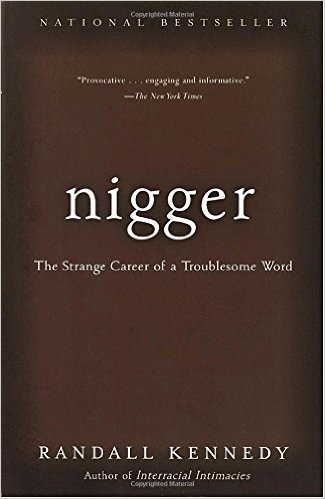

 This is a great book to read before diving into the controversy about the word nigger and the usage of it in modern America. This book explores every aspect and reaction to the word. He explores how it has been used in legal issues (the fighting words rules), and how that has evolved over time - also, what it would mean if one interpretation became prevalent over another. He looks at the usage in various cultural aspects - literature, music, film, and how people have reacted. He talks about how people want to deal with the word from those who are willing to tolerate all uses to those who would ban every use without regard to meaning (ex. Huck Finn is an anti-racism novel - but people think it is racist because of the use of nigger constantly.) He discusses racial privilege where in one race is allowed the use of a word that other races are not.
Basically, if you are going to have an opinion on this matter, you should read this book to be fully informed of ALL the issues from ALL sides. Nothing is left unexamined. This book is a great service to race relations and deserves to be read by anyone who wants to be informed in this matter.
This is a great book to read before diving into the controversy about the word nigger and the usage of it in modern America. This book explores every aspect and reaction to the word. He explores how it has been used in legal issues (the fighting words rules), and how that has evolved over time - also, what it would mean if one interpretation became prevalent over another. He looks at the usage in various cultural aspects - literature, music, film, and how people have reacted. He talks about how people want to deal with the word from those who are willing to tolerate all uses to those who would ban every use without regard to meaning (ex. Huck Finn is an anti-racism novel - but people think it is racist because of the use of nigger constantly.) He discusses racial privilege where in one race is allowed the use of a word that other races are not.
Basically, if you are going to have an opinion on this matter, you should read this book to be fully informed of ALL the issues from ALL sides. Nothing is left unexamined. This book is a great service to race relations and deserves to be read by anyone who wants to be informed in this matter.